
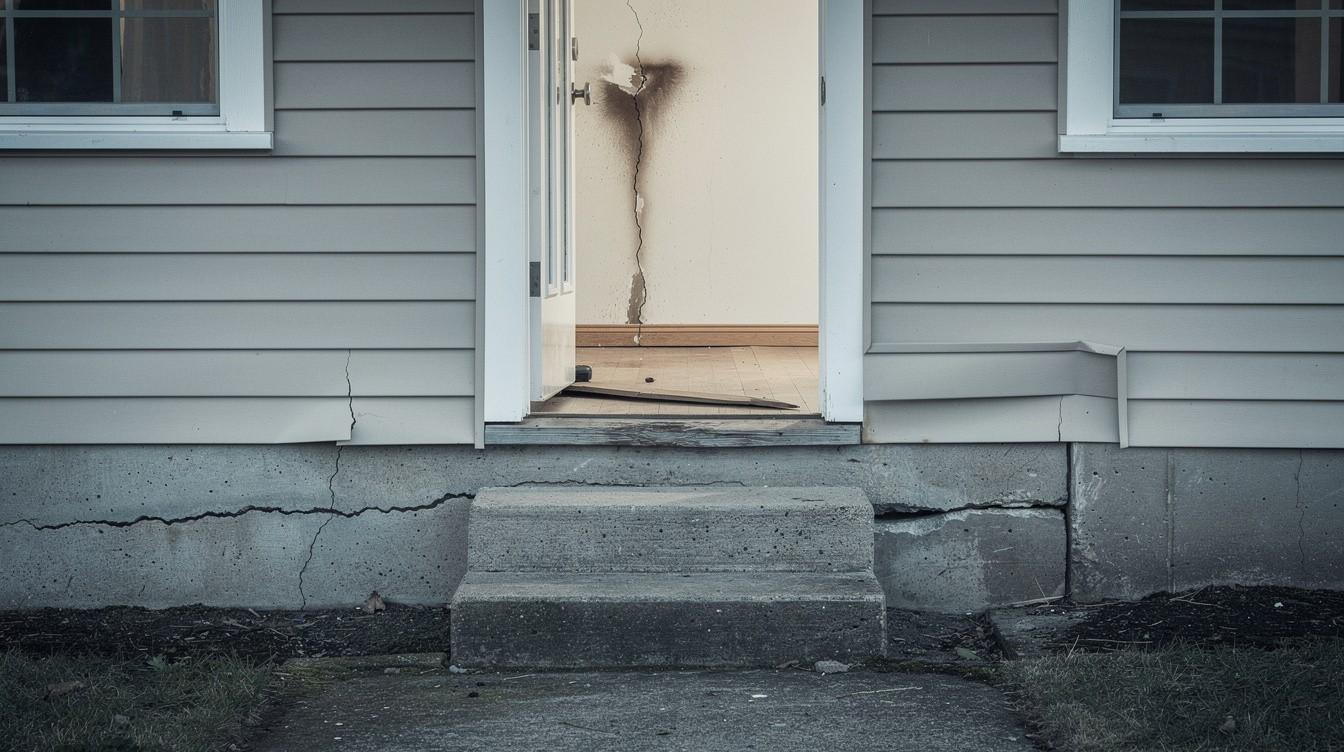
Your home is one of your biggest investments, and residential construction defects can threaten both its value and your family’s safety. From foundation cracks to faulty wiring, these problems are more common than many homeowners realize.
At The Law Offices of Alan J. Carnegies, APC, we help homeowners throughout Los Angeles County understand their rights when construction defects appear. This guide walks you through identifying problems, understanding your legal protections, and taking action to protect what you’ve built.
The Most Common Building Problems Homeowners Face
Water Intrusion: The Leading Defect
Water intrusion stands as the leading construction defect in residential properties across California, affecting windows, doors, roofs, patios, stucco, foundations, and retaining walls. This single issue causes more property damage claims than any other defect type, yet many homeowners fail to recognize the early warning signs until significant damage has occurred. Moisture and condensation are explicitly recognized as defects under California Civil Code Section 896, which means if your builder left you with a wet basement, leaking windows, or compromised exterior stucco, they failed to meet the legal standard for proper construction.
Foundation and Structural Failures
Foundation problems rank equally serious-cracks, settlement, or failure to follow structural plans create safety hazards and can cost $10,000 to $100,000 to repair depending on severity. The builder’s non-delegable duty under California Business and Professions Code Section 7068.1 means they cannot shift responsibility to subcontractors. The general contractor remains accountable for compliance with building codes and plans, making them the liable party when defects appear.
Electrical and HVAC System Defects
Electrical system defects cause another category of expensive problems, often manifesting as disproportionately high electricity bills that signal undersized wiring, improper grounding, or faulty circuit design. Many homeowners paid inflated utility bills for years before discovering the root cause was a construction defect, not normal usage patterns. Undersized or improperly designed HVAC systems fail to heat or cool large spaces, high ceilings, or homes with extensive glazing, leaving some rooms uncomfortable year-round while others become unusable.
Plumbing and Finish Work Issues
Plumbing defects-including leaks from rain, improper slope, or buried weep screeds-damage structural components and create mold conditions that affect indoor air quality. Finish work defects, though sometimes overlooked, reduce property value significantly: misaligned flooring, improperly installed cabinetry, faulty railings, and stone or wood finishing problems signal poor quality control and often indicate deeper structural issues. Each defect reduces marketability and must be disclosed to future buyers, who typically demand price reductions until repairs are completed.
Understanding these common defects helps you recognize problems early, but identifying them in your own home requires knowing what warning signs to look for.
Spotting Construction Defects Before They Worsen
Catching construction defects early prevents minor problems from becoming catastrophic failures that tank your home’s value. The problem is that many defects hide behind walls, under foundations, or inside mechanical systems until damage becomes severe enough to force attention. You need to know what to look for and when to act, because waiting costs money-lots of it. Structural cracks that start small widen by one-eighth inch per year, foundation settlement accelerates over time, and water damage compounds monthly.
Exterior Warning Signs
Start by examining your home’s exterior systematically. Walk the perimeter of your property and look for cracks in the stucco or plaster, particularly around windows and doors where water intrusion begins. Check whether weep screeds at the base of stucco are buried or missing entirely; if they are, water pools against your foundation instead of draining away. Look at your roof from the ground using binoculars-missing shingles, improper flashing around chimneys and vents, and sagging sections signal structural or drainage failures. Inspect all windows and doors by opening and closing them; they should move smoothly without binding or gaps that let air pass through. Patios and decks deserve close attention too-look for cracking concrete, wood rot, or separation from the house structure.
Foundation and Interior Water Damage
Inside your home, check basement and crawl space walls for efflorescence (white salt deposits), cracks wider than one-quarter inch, or active seepage. These signs indicate water is moving through your foundation right now. Listen for running water when no fixtures are in use, check under sinks and around toilets for soft spots in flooring or cabinet damage, and inspect basement ceilings for water stains that indicate leaks above. Look at your water meter when no one is using water; if it continues moving, you have a hidden leak.
Electrical System Problems
Electrical and mechanical systems rarely announce problems until your utility bills spike or comfort issues become unbearable. Check your most recent electricity bills against the same months from the previous year; if usage jumped 20 percent or more without explanation, an electrical defect likely exists. Faulty wiring, improper grounding, or undersized circuits force your system to work harder and hotter, wasting energy continuously. Walk through every room and test light switches, outlets, and fixtures-flickering lights, outlets that feel warm to the touch, or breakers that trip frequently all point to serious wiring problems.
HVAC and Plumbing Performance
For HVAC systems, note whether certain rooms stay significantly warmer or cooler than others despite adjusting the thermostat; this suggests the system was undersized for your home’s layout or glazing. If your air conditioning runs constantly during summer yet fails to reach your set temperature, the system cannot handle your home’s cooling load. Plumbing defects manifest differently depending on their location and severity. Document everything you observe with dated photographs and written notes describing the location, nature, and severity of each issue. This documentation becomes essential evidence if you later pursue a claim against the builder.
Once you identify defects in your home, understanding your legal rights and the timeline for taking action becomes your next priority.
What Legal Protections Cover Your Construction Defects
California law provides multiple layers of protection for homeowners facing construction defects, but these protections have strict timelines and specific requirements you must follow to preserve your rights. The Right to Repair Act, codified in California Code of Civil Procedure Sections 895 through 945.5, governs construction defect claims in new residential construction throughout Los Angeles County. This statute establishes mandatory pre-litigation procedures, detailed construction standards, and critical deadlines that determine whether you can recover repair costs from your builder. If your home qualifies as new residential construction and the builder provided all required notices at purchase, you must attempt to resolve the defect through the builder’s repair process before filing a lawsuit. The builder typically has 30 days to respond to your notice of defect and can request up to 14 additional days to inspect the damage.
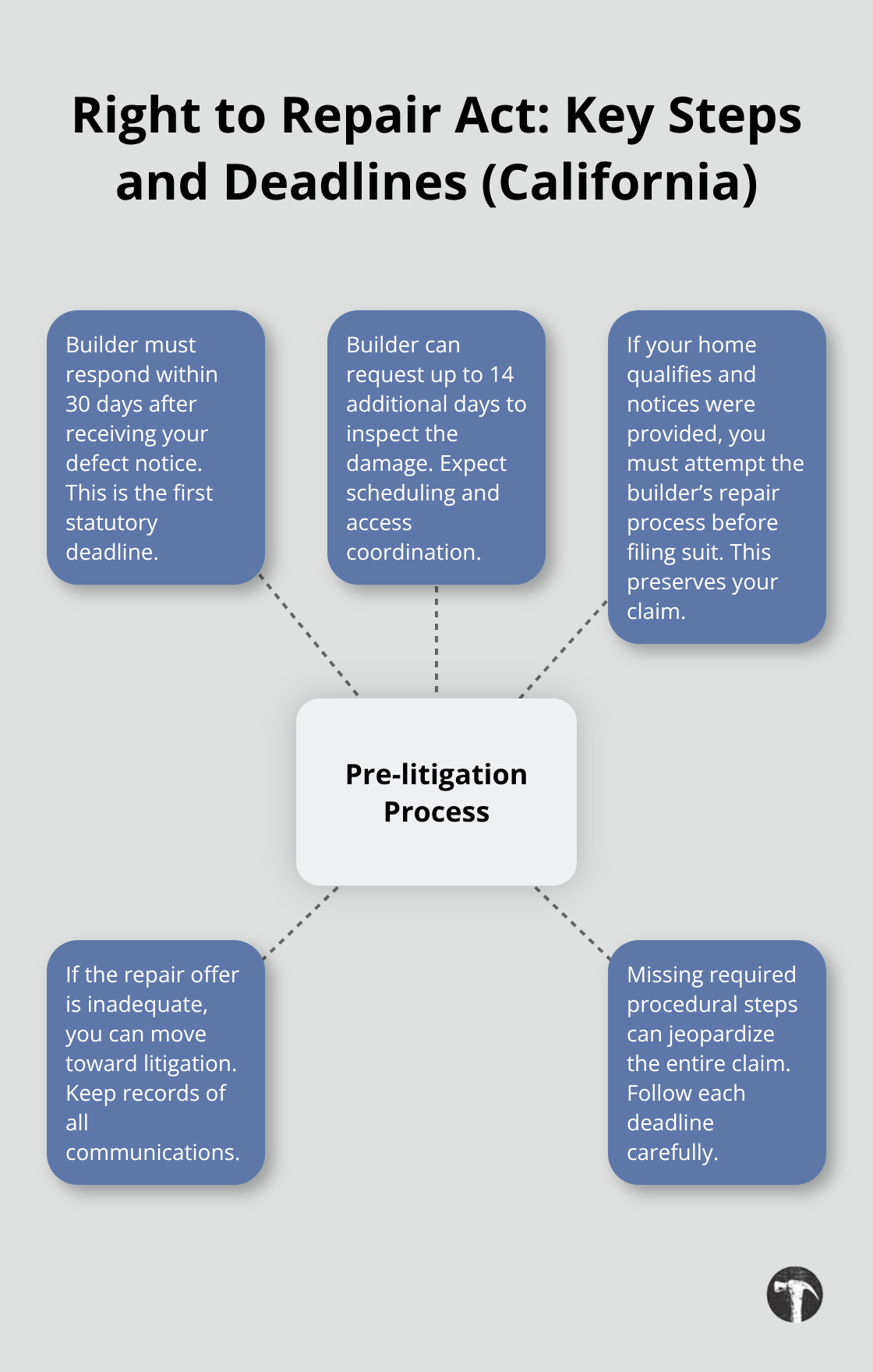
Rejecting an inadequate repair offer moves you toward litigation, but missing any procedural step can jeopardize your entire claim.
Understanding Statute of Limitations Deadlines
The statute of limitations for construction defect claims varies dramatically depending on the defect type, and this variation catches many homeowners off guard. California Civil Code Section 337.15 establishes a 10-year outer limit for most defects, but plumbing systems, electrical systems, and exterior pathways face a much shorter 4-year deadline measured from close of escrow. Water damage claims and fraud allegations have a 3-year statute of limitations from the date you discovered the defect, not from the date construction finished. This means a roof leak that appears five years after your purchase falls outside the 4-year window for some defect types but remains viable under the 10-year standard.
Documentation Establishes Your Discovery Date
You must document every defect with dated photographs and written descriptions the moment you notice problems, because this documentation establishes your discovery date for statute of limitations purposes. Courts measure the 3-year and 4-year deadlines from the date you first observed the defect, not from the date you hired an attorney or filed a claim. Photographs with timestamps, written notes describing location and severity, and repair estimates all create a verifiable record that protects your legal position. Without this documentation, you face an uphill battle proving when you actually discovered the problem.
Equitable Estoppel Can Extend Your Deadline
If your builder made false statements about repairs or promised to fix problems while the limitation period ran, equitable estoppel might extend your deadline, but this defense requires proving the builder’s specific conduct induced you to delay filing. Courts apply the four-element test from Lantzy v. Centex Homes: the builder made a representation that repairs would occur, you reasonably relied on that promise, the representation proved false after the period elapsed, and you proceeded diligently after discovering the truth. This doctrine protects homeowners who acted in good faith based on a builder’s false assurances, but it demands concrete evidence of what the builder promised and when.
Final Thoughts
Residential construction defects threaten your home’s value, safety, and marketability, but California law provides remedies if you act quickly and follow proper procedures. Water intrusion spreads, foundation cracks widen, and electrical problems worsen over time, compounding damage and repair costs that mount with each passing month. The statute of limitations varies by defect type-ranging from four years for electrical and plumbing systems to ten years for structural issues-so waiting too long eliminates your right to recover repair expenses from the builder.
Document every defect with dated photographs and written descriptions the moment you notice problems, because this evidence establishes your discovery date and protects your legal position. The builder’s non-delegable duty to supervise construction means they remain liable regardless of which subcontractor caused the problem, but you must follow proper procedures to hold them accountable. If your builder made false promises about repairs or claimed they would fix problems while deadlines passed, equitable estoppel might extend your timeline, but this requires concrete evidence of their specific statements and your reasonable reliance on those promises.
Contact The Law Offices of Alan J. Carnegies, APC today if you suspect construction defects in your home. We represent property owners throughout Los Angeles County in construction defect claims and help you navigate the complex pre-litigation procedures, statute of limitations requirements, and litigation process. Your investment deserves protection, and the sooner you take action, the stronger your legal position becomes.