
Contract disputes can derail business operations and drain resources quickly. Whether you’re facing a disagreement over payment terms, delivery obligations, or service quality, the path forward matters.
We at The Law Offices of Alan J. Carnegies, APC help businesses throughout Los Angeles County resolve these conflicts efficiently. This guide walks you through contract dispute resolution techniques that actually work.
What Causes Contract Disputes to Escalate
Payment Delays and Performance Failures
Payment delays rank among the most frequent triggers of contract disputes in Calabasas and throughout Los Angeles County. Businesses cite late payments as the primary cause of conflict with vendors and clients. Delivery failures and quality mismatches follow closely. When a supplier ships goods that fail to meet agreed specifications or arrives weeks behind schedule, the injured party faces immediate financial losses. These performance failures transform minor disagreements into serious conflicts that demand resolution.
Ambiguity in Contract Language
Ambiguity in contract language creates a different kind of problem. Two parties can read the same sentence and walk away with completely different understandings of their obligations. One side interprets a delivery deadline as flexible; the other sees it as absolute.
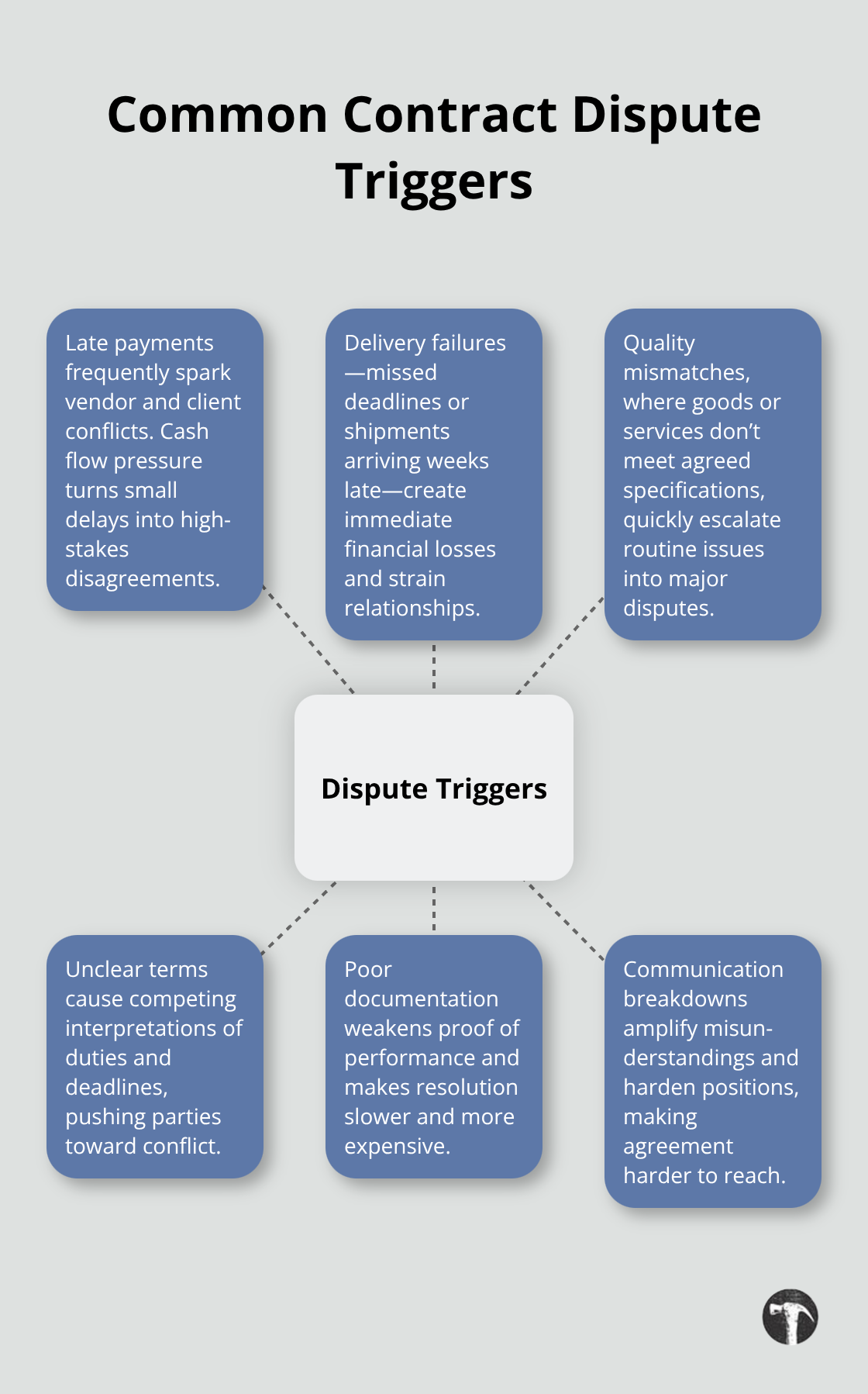
Contract interpretation issues like these gaps explode into disputes when deadlines pass or expectations diverge from reality. Unclear terms, poor documentation, and communication breakdowns escalate minor disagreements into costly conflicts that consume months of management attention.
The Cascading Business Impact
A single contract dispute consumes management time, strains vendor relationships, and diverts resources from growth. Litigation costs mount quickly-court filing fees, attorney time, discovery expenses, and expert witnesses add up fast. Arbitration and mediation offer faster resolution paths, typically costing significantly less than courtroom battles. Construction disputes deserve special attention because they involve high-risk projects where delays cascade through multiple parties. Mechanic’s liens, construction defects, and cost overruns can paralyze projects for months.
Damage to Reputation and Operations
Real estate disputes involving boundary issues or disclosure failures create similar gridlock. Employment disputes tied to non-compete agreements or wrongful termination claims damage team morale and productivity. Public litigation exposes business practices and competitive information to scrutiny. Preserving confidentiality through mediation or arbitration protects your business operations while resolving the underlying conflict. Addressing disputes early, before they harden into positions, gives you control over the outcome and keeps costs manageable.
Understanding these root causes positions you to prevent disputes before they start. Yet when conflicts do arise, knowing which resolution method fits your situation determines whether you preserve relationships and protect your bottom line. The techniques available to you-from negotiation to mediation to formal proceedings-each offer distinct advantages depending on your circumstances and goals.
Settling Disputes Before They Cost You
Preparation and Direct Negotiation
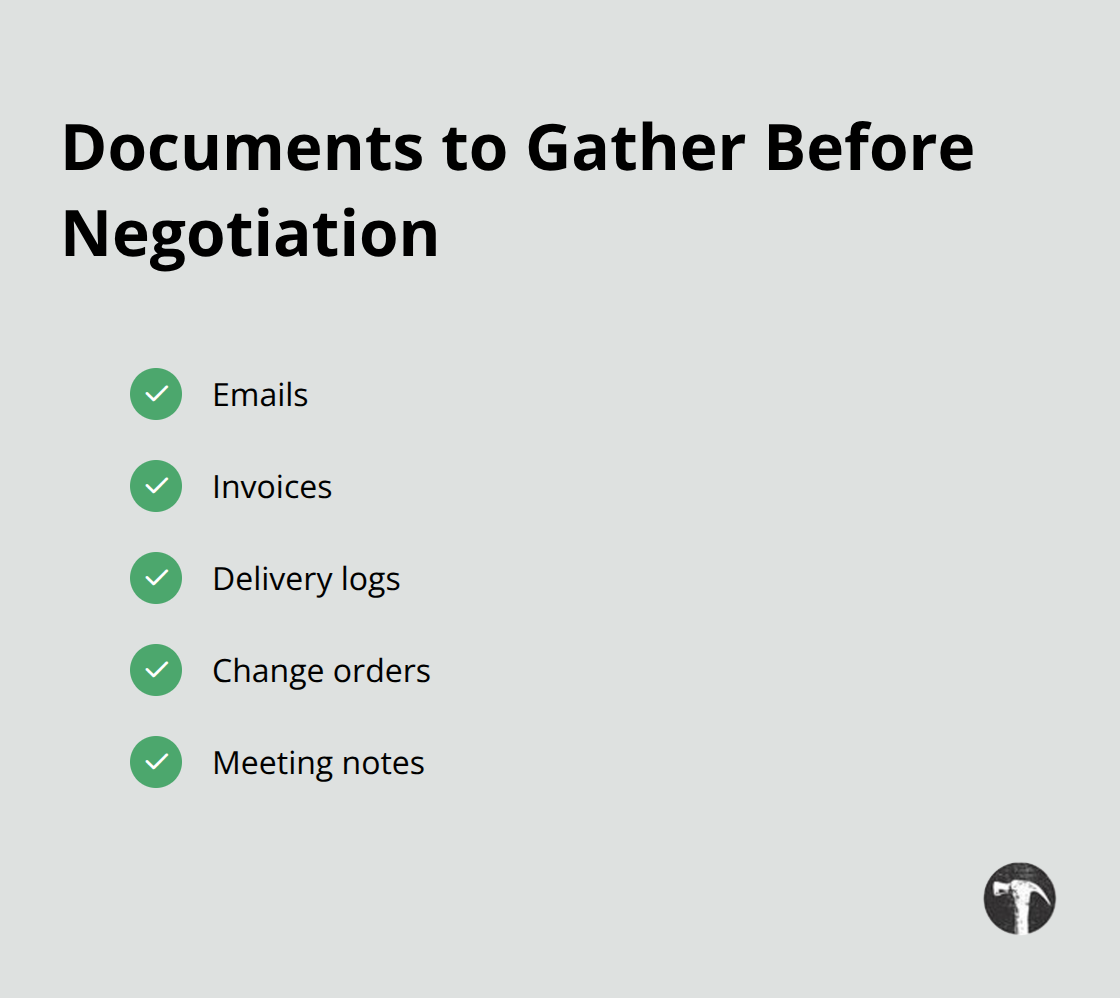
Start with direct negotiation between the parties involved. This approach gives you maximum control and typically costs far less than any formal process. Preparation makes the difference between a productive conversation and a frustrating standoff. Before you sit down, gather every relevant document-emails, invoices, delivery logs, change orders, and meeting notes. Know exactly what went wrong, what you’re owed, and what outcome you’ll accept.
Write down your core interests separate from your opening position. Many business owners conflate these two, which locks them into rigid demands instead of exploring solutions.
Active Listening and Managing Power Dynamics
Active listening matters more than you might think. Ask clarifying questions, paraphrase what the other side says to confirm understanding, and respond only after you’ve fully grasped their perspective. Power plays will emerge-belittling comments, authority assertions, competence challenges. Ignore them and redirect the conversation back to the actual issues. When discussions stall or emotions run high, that’s your signal to bring in a neutral third party.
Creating Room for Agreement
Expand the agenda beyond the single disputed issue to create room for tradeoffs and more durable agreements. Joint brainstorming of options before evaluation reduces tension significantly. Appeal to shared values when divisions harden. Most businesses care about respectful dialogue and avoiding legal costs. Center the conversation on long-term gains and avoided expenses rather than on losses and blame.
Mediation as Your Next Step
Mediation works when negotiation stalls. The LA County Dispute Resolution Program offers free or low-cost mediation services specifically for contract disputes in areas like business disagreements, partnership conflicts, and breaches of contract. Mediation is confidential, neutral, and voluntary, which means you can discuss sensitive information without worrying about public disclosure or forced decisions. A trained mediator guides both sides toward common ground without deciding the outcome for you. This voluntary nature and collaborative process generate high satisfaction rates because you retain control over any settlement. The process typically moves faster than litigation and costs significantly less.
When to Involve Legal Representation
The decision to involve legal representation should come early, not as a last resort. An attorney can assess your contract’s strength, identify weaknesses in your position, and explain what different resolution paths will actually cost you in time and money. This clarity prevents costly mistakes and improves your negotiating position before you sit across the table. When negotiation and mediation fail to produce results, formal proceedings become necessary-and understanding which option fits your situation determines whether you protect your interests and preserve your business relationships.
When Court and Arbitration Become Necessary
Arbitration Versus Litigation: Core Differences
When mediation fails to produce a settlement, you face a critical decision: pursue arbitration or file a lawsuit in California courts. Both paths resolve disputes with binding authority, but they operate under fundamentally different rules and timelines. Arbitration moves faster and stays confidential, making it attractive for businesses protecting competitive information or reputation. A neutral arbitrator hears evidence and issues a binding decision within weeks or months, not years. California courts follow formal procedures with discovery phases that expose business documents and communications to the other side. Court proceedings cost more and take longer, but they offer appeal rights and the full weight of the judicial system behind enforcement.
When Litigation Makes Sense
Litigation makes sense when you need a public record of judgment or when the dispute involves complex legal questions requiring a judge’s interpretation of California contract law. The discovery process in litigation demands that both sides exchange documents, answer written questions, and sit for depositions where attorneys question witnesses under oath. This transparency cuts both ways: you learn the other party’s evidence and strategy, but they learn yours. Arbitration skips much of this formal discovery, reducing costs and timeline significantly. The American Arbitration Association reports that arbitration cases typically resolve in six to nine months compared to litigation timelines stretching two to four years in California courts.
Speed, Cost, and Confidentiality Trade-offs
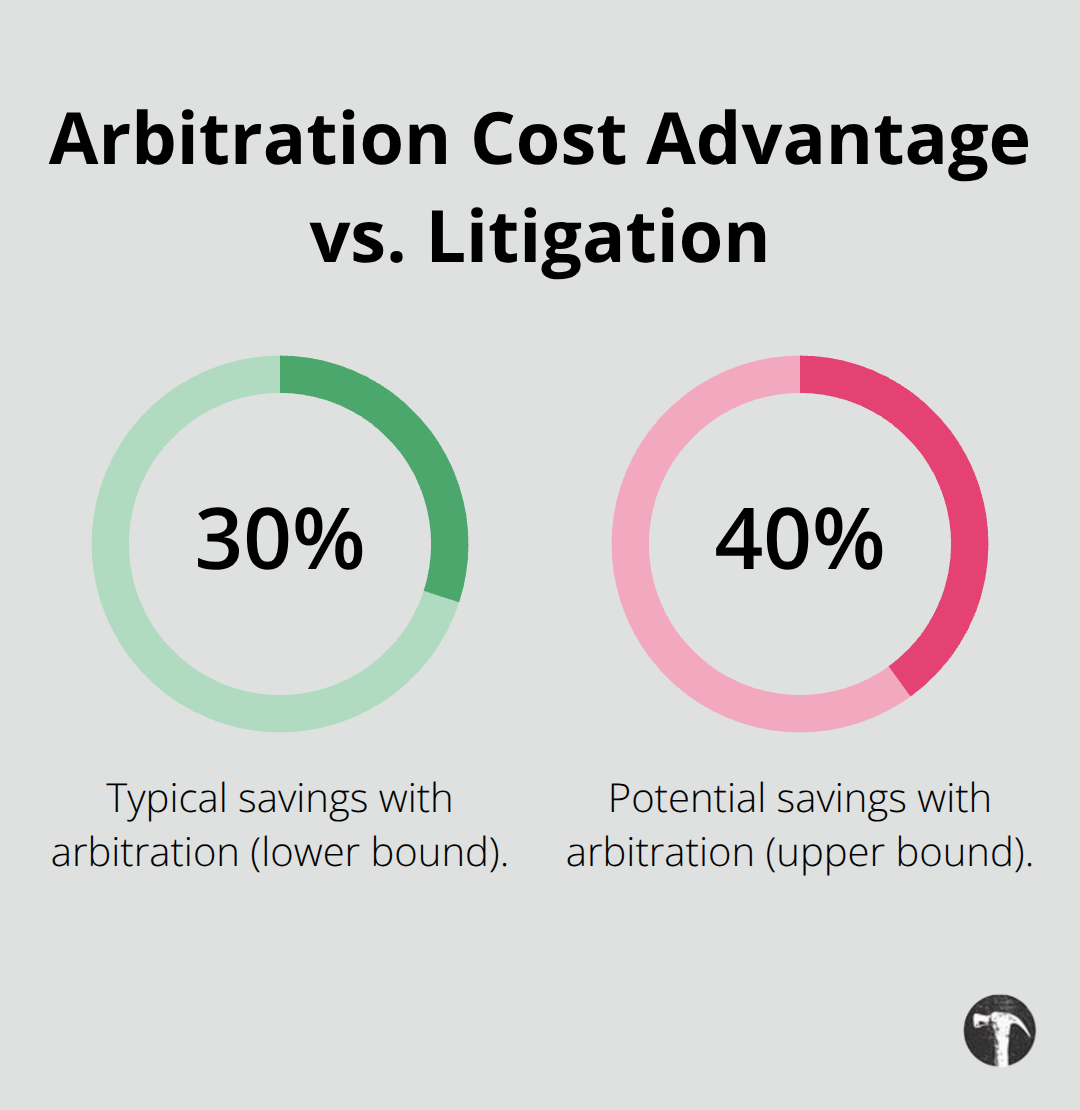
Your choice depends on what matters most: speed and confidentiality through arbitration, or the appeal rights and formal authority of court judgment. If your contract includes an arbitration clause, you may have no choice at all. If it doesn’t, you can still agree to arbitrate even after a dispute arises. Arbitration protects sensitive business information from public disclosure, while litigation creates a permanent court record accessible to competitors and the media. The cost difference proves substantial-arbitration typically runs 30-40% less than comparable litigation due to streamlined procedures and shorter timelines.
Evidence Collection and Preservation
Gather your evidence early regardless of which direction you choose. Emails, invoices, payment records, and written communications form the foundation of your case in either forum. Preserve everything the moment you recognize a dispute exists. Courts and arbitrators rely on documentation to reconstruct what happened and who failed to perform. Weak evidence loses cases, regardless of how strong your legal position appears on paper. Start collecting documents immediately-delays in preservation can result in sanctions or adverse inferences against your position.
Final Thoughts
Contract dispute resolution requires a clear strategy matched to your situation. Start with direct negotiation and preparation-gather your documentation early, understand your core interests, and approach the conversation with a willingness to listen and explore solutions. When negotiation stalls, mediation through the LA County Dispute Resolution Program offers a confidential, cost-effective path forward that preserves relationships while giving you control over the outcome. If mediation fails, arbitration provides faster resolution than court with binding authority and protected confidentiality.
Clear contracts prevent most disputes before they start. Precise language, documented modifications, and explicit dispute resolution clauses eliminate ambiguity that transforms minor disagreements into costly conflicts. Include clear payment terms with milestone definitions, specify delivery standards and timelines, and define what happens if either party fails to perform, because these details form the foundation of any resolution process.
We at The Law Offices of Alan J. Carnegies, APC represent businesses, property owners, and other parties throughout Los Angeles County in contract disputes and complex litigation. Contact us today to discuss your contract dispute and learn how we can help you move forward.