
Intellectual property disputes in 2023 have reached new heights, with businesses facing unprecedented challenges across patents, trademarks, and copyrights. The legal landscape is shifting rapidly, driven by artificial intelligence, international complications, and aggressive enforcement tactics.
We at The Law Offices of Alan J. Carnegies, APC serve all of Los Angeles County, California, and we’ve seen firsthand how quickly IP conflicts can threaten a company’s bottom line. Understanding the trends and taking action now can protect what you’ve built.
What IP Disputes Are Dominating 2023
Patent Trolling Drains Resources Fast
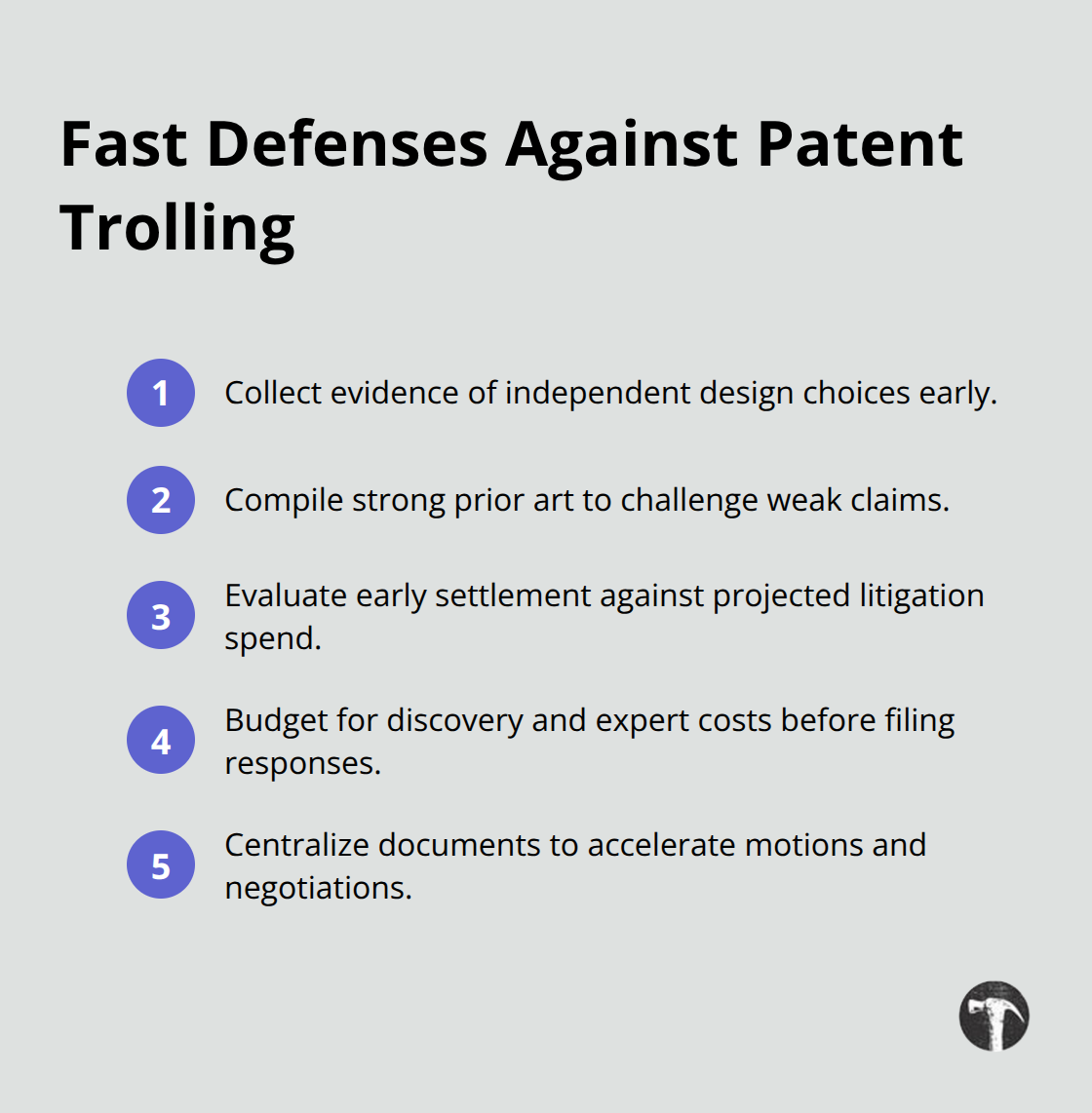
Patent disputes remain the most aggressive battleground in 2023, with patent trolling tactics intensifying across industries. Non-practicing entities file lawsuits at alarming rates, forcing legitimate businesses into costly defense positions even when infringement claims lack merit. The problem has become so widespread that companies now budget millions annually just to defend against these suits, regardless of the outcome. Patent litigation costs average between $2 million and $5 million per case according to the American Intellectual Property Law Association, making early settlement attractive even for defendants with strong defenses. Companies respond most effectively by gathering solid evidence of design independence and prior art to shut down frivolous claims before discovery drains resources.
Trademark Conflicts Explode on E-Commerce Platforms
Trademark disputes have exploded alongside e-commerce growth, with brand owners fighting to protect their marks on platforms like Amazon and social media. The Christian Louboutin v Amazon decision from 2022 revealed how complex platform liability becomes when counterfeiters operate across jurisdictions. Businesses now face a two-front war: stopping counterfeiters while also managing their own brand compliance across different regions. Companies selling internationally report that trademark enforcement takes 30 to 40 percent of their IP management time, yet many still miss infringements because monitoring tools remain fragmented. Proactive brand owners register trademarks in all major markets before launching products and implement automated monitoring systems that flag suspicious listings daily. This approach catches infringers faster and creates documented evidence for enforcement actions.
Copyright Infringement Accelerates in Digital Spaces
Copyright infringement in digital content has shifted from traditional piracy to sophisticated AI-training scenarios and unauthorized content distribution on streaming platforms. Getty Images filed a major lawsuit in London against Stability AI for training on copyrighted images without permission, signaling that rights holders will pursue aggressive litigation. The Copyright Claims Board processed approximately 300 filings in 2023, showing that smaller creators now have an affordable forum to pursue infringement claims. Companies distributing digital content must implement technical protections and register works promptly to preserve statutory damages eligibility, which can reach $150,000 per work for willful infringement. Rights holders who act quickly gain leverage in negotiation and avoid defenses based on laches or implied license arguments.
These three dispute categories shape how businesses must now approach IP protection and enforcement. Understanding which threats target your industry most directly helps you allocate resources where they matter most.
The Three Forces Reshaping IP Litigation in 2023
Trade Secrets Demand Immediate Protection
Trade secret theft has become the fastest-growing IP threat facing companies in Los Angeles County and across California. Unlike patents or trademarks, trade secrets generate no public record, making theft harder to detect and easier to execute. When employees leave for competitors or contractors access confidential processes, the damage compounds quickly because trade secret protection depends entirely on the secrecy measures you’ve already implemented.
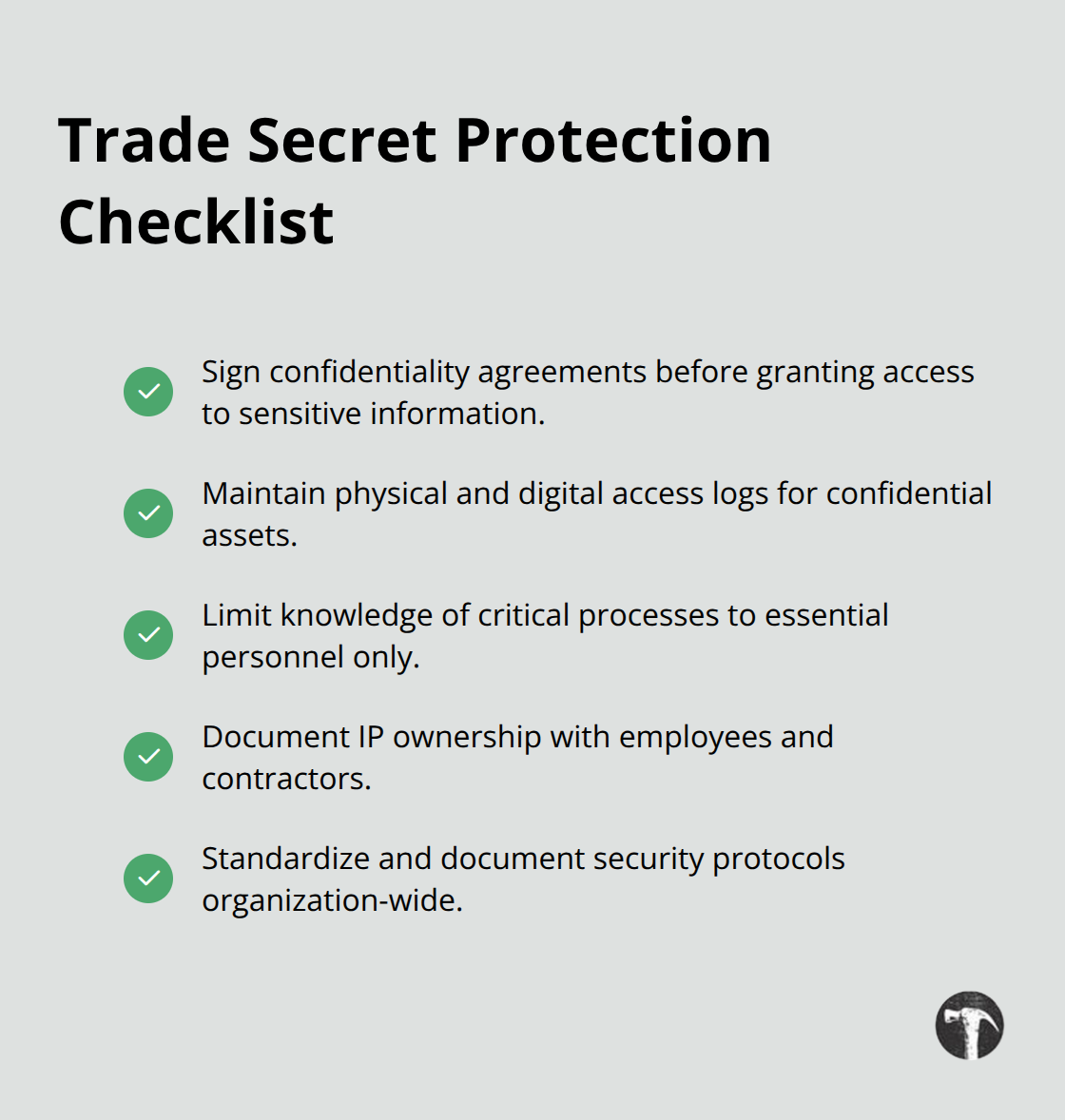
The Federal Trade Commission reports that trade secret misappropriation costs American companies between $180 billion and $540 billion annually, yet most businesses lack clear ownership documentation with employees and contractors that would strengthen enforcement. Courts will examine whether you took reasonable steps to protect information, so documented security protocols become your strongest evidence in litigation. Require all team members to sign confidentiality agreements before accessing sensitive information, maintain physical and digital access logs, and limit knowledge of critical processes to essential personnel only.
Artificial Intelligence Transforms Infringement Claims
Artificial intelligence has fundamentally altered how IP disputes develop and how courts evaluate infringement claims. Getty Images sued Stability AI in London for training its image generation model on copyrighted photographs without permission, and the Copyright Office received more than 50 federal lawsuits between rights holders and AI developers by 2025.
The first major fair-use rulings emerged in 2025 with Bartz v. Anthropic finding AI training on copyrighted works highly transformative and fair use, while Thomson Reuters v. ROSS held training on direct competitor content not fair use because it caused market harm. Courts now split on whether AI training resembles human learning or constitutes direct market competition, creating unpredictable outcomes that force businesses to prepare multiple legal theories simultaneously.
Companies developing AI systems must document that training data came from licensed sources or falls within fair-use exceptions. Rights holders should register works immediately and gather evidence of market impact to strengthen infringement claims.
International Enforcement Requires Strategic Registration
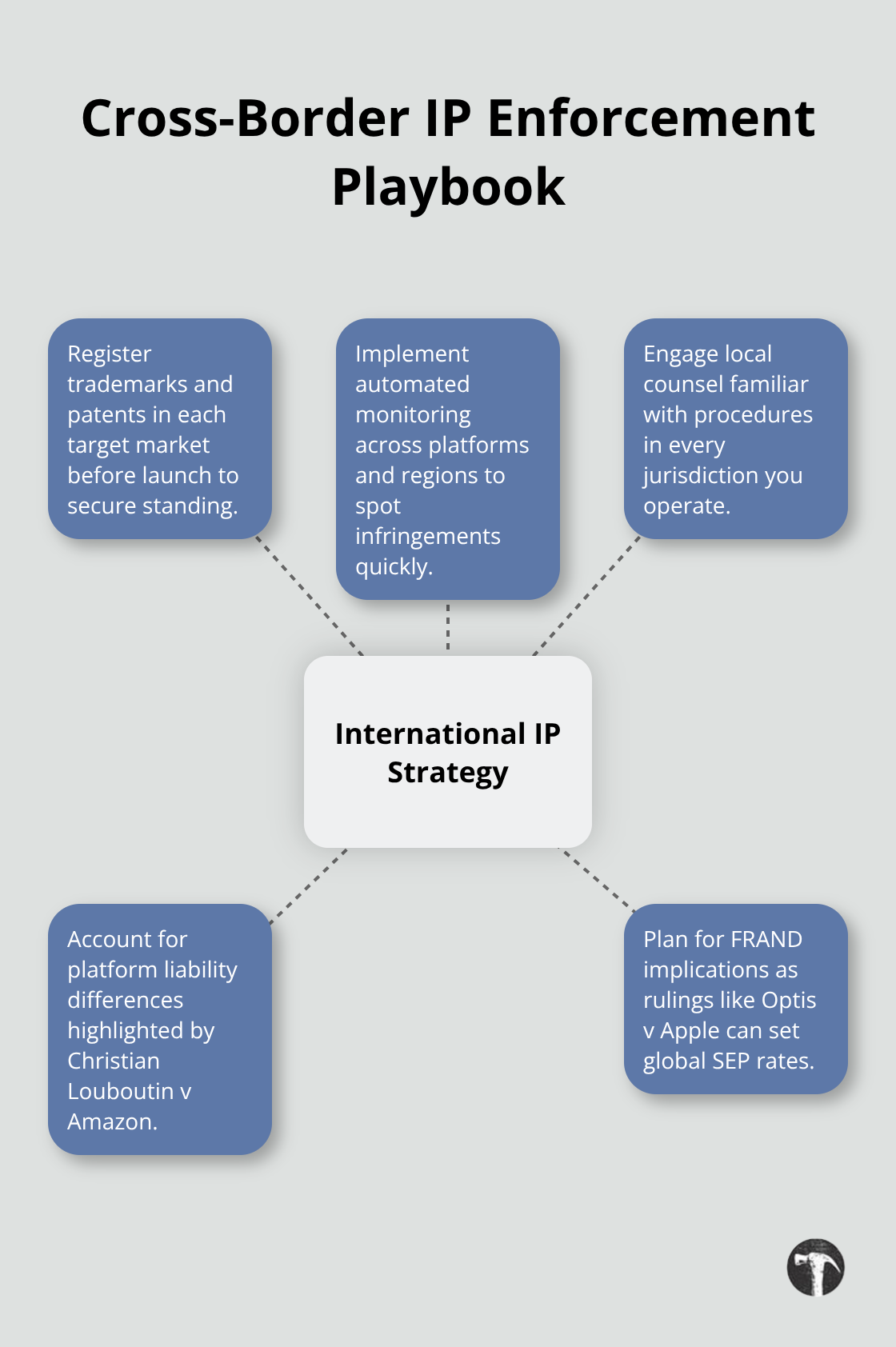
Cross-border IP enforcement has become mandatory for any company operating internationally because countries enforce IP rights through divergent legal frameworks and varying cooperation levels. The Christian Louboutin v Amazon decision from 2022 exposed how platform liability shifts across jurisdictions, requiring brand owners to register trademarks in each major market before launching products rather than waiting for infringement to occur.
Optis Technologies v Apple in 2025 emphasized that UK courts set global FRAND rates for standard essential patents using comparable licenses, meaning a single ruling can affect licensing terms worldwide. Companies selling across multiple countries now face the reality that a trademark registered in California alone provides zero protection in Europe, Asia, or elsewhere, yet many still delay international registration until infringement surfaces.
Register IP in your target markets immediately, implement automated monitoring across platforms and regions, and engage counsel familiar with local enforcement procedures in each jurisdiction where you operate. These steps position you to respond faster when infringement occurs and create documented evidence that strengthens your negotiating position. The cost of proactive registration pales against the expense of reactive litigation across multiple countries.
Protect Your IP Before Infringement Strikes
Build a Complete IP Inventory
The difference between winning and losing an IP dispute often comes down to what you documented before the conflict started. Companies that conduct systematic IP inventories, maintain clear ownership records, and monitor for infringement consistently outmaneuver competitors who wait until damage appears. Start by cataloging everything your company owns: patents filed and granted, trademarks registered in each jurisdiction, copyrighted works created, and trade secrets locked behind confidentiality agreements. This inventory reveals gaps immediately-trademarks you registered in California but forgot to register internationally, patents that lapsed, or works never officially registered with the Copyright Office. The Copyright Claims Board processed approximately 300 filings in 2023, and most involved creators who failed to register works beforehand, costing them the ability to recover statutory damages up to $150,000 per work. Create a spreadsheet listing each asset, registration dates, renewal deadlines, and jurisdictions covered. Set calendar reminders for trademark renewals every ten years and patent maintenance fees every three and a half years. Without this system, renewal deadlines slip past silently and your protection evaporates.
Document Ownership in Writing
Documentation practices separate companies that survive IP disputes from those that collapse under legal costs. Establish written agreements with every employee, contractor, and vendor that clarifies who owns what gets created during the relationship. The Federal Trade Commission reports trade secret misappropriation costs American companies between $180 billion and $540 billion annually, yet most theft succeeds because ownership was never documented in the first place. Courts examine whether you took reasonable steps to protect information, so maintain physical security logs showing who accessed confidential spaces and digital access records for sensitive files. Limit knowledge of critical processes to essential personnel only and require confidentiality agreements signed before anyone touches sensitive material. When you discover infringement, monitoring records prove you noticed it quickly and took action, which strengthens your negotiating position and credibility with courts.
Monitor Infringement Across All Channels
Monitor online marketplaces like Amazon, social media platforms, and industry-specific sites where counterfeiters operate. Automated monitoring tools cost $500 to $5,000 monthly depending on scope but catch infringement faster than manual review and create timestamped evidence courts recognize. Companies operating across multiple countries should monitor in each major market simultaneously because the Christian Louboutin v Amazon decision from 2022 showed that platform liability and enforcement options vary by jurisdiction. When you find infringement, document everything: screenshots with timestamps, seller information, product specifications, and customer reviews. This evidence becomes your foundation for cease-and-desist letters, platform takedown requests, and litigation if necessary.
Enforce Your Rights Strategically
Documented monitoring records prove you noticed infringement quickly and took action, which strengthens your negotiating position and credibility with courts. Companies that respond to infringement within days rather than weeks gain leverage in settlement discussions because they demonstrate active protection of their assets. The speed of your response also matters when courts evaluate damages-early action signals that you valued your IP and took reasonable steps to protect it. Courts recognize timestamped evidence from automated monitoring systems as credible proof of discovery timing, whereas delayed responses invite arguments that you abandoned your rights or failed to act diligently. Cease-and-desist letters sent within days of discovery carry more weight than those sent months later, and platform takedown requests filed promptly create documented records that support future enforcement actions. Companies serving all of Los Angeles County, California and beyond should coordinate enforcement across jurisdictions simultaneously to prevent infringers from simply shifting operations to unmonitored regions.
Final Thoughts
IP disputes in 2023 have exposed how quickly infringement damages your business without documented protection and monitoring systems. Patent trolling, trademark counterfeiting on e-commerce platforms, and AI-related copyright claims now dominate the landscape, forcing companies to act defensively rather than waiting for problems to surface. The trends show that businesses with clear ownership documentation, regular IP audits, and automated monitoring systems respond faster to infringement and negotiate from stronger positions than those caught off guard.
Proactive IP management separates companies that survive disputes from those that hemorrhage resources defending against claims. A complete inventory of your patents, trademarks, copyrights, and trade secrets reveals gaps before infringement occurs, while written agreements with employees and contractors clarify ownership and strengthen your legal position when disputes arise. Monitoring across all channels where your IP appears catches infringement within days rather than months, which courts recognize as evidence of active protection and diligence.
If you face an intellectual property dispute, act immediately and document everything you discover about the infringement, gather evidence of market impact, and contact experienced counsel who understands both your industry and the specific IP category under attack. We at The Law Offices of Alan J. Carnegies, APC represent businesses facing patent infringement, trademark disputes, and other complex litigation across Los Angeles County, California. Contact us at carnegielawfirm.com to discuss your situation and develop a strategy that protects what you’ve built.