
Construction defects can cost property owners thousands of dollars in repairs and create serious safety hazards. Ventura County construction defects range from foundation problems to faulty materials, and they demand immediate legal attention.
We at The Law Offices of Alan J. Carnegies, APC help property owners understand their rights and recover damages from responsible parties. This guide walks you through what constitutes a defect, how litigation resolves these issues, and what steps you can take to protect your property.
What Construction Defects Really Look Like
Three Categories That Determine Your Legal Path
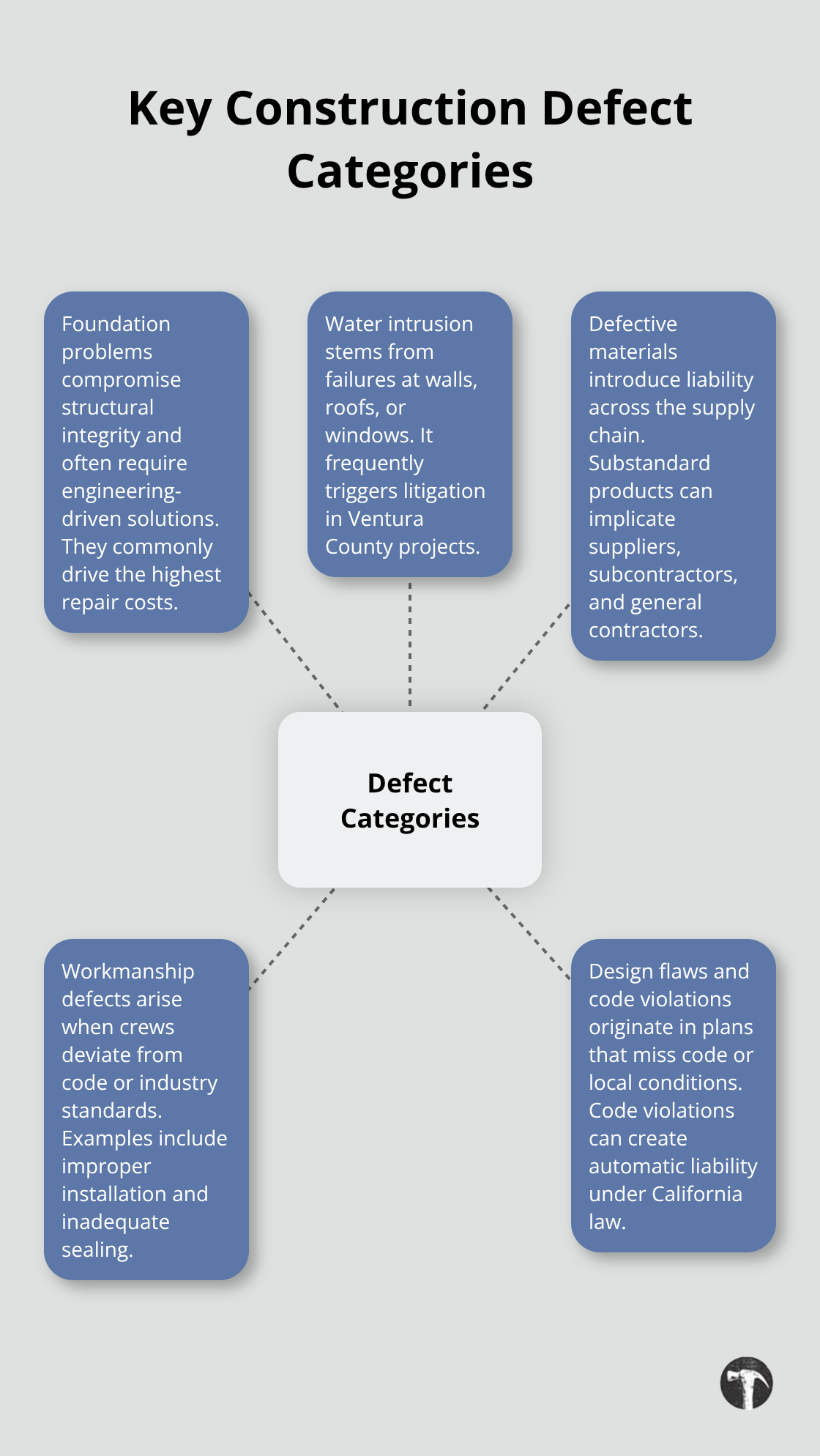
Construction defects fall into three distinct categories, and identifying which type affects your property determines your legal strategy. Foundation problems rank among the most serious defects because they compromise structural integrity. Water intrusion through walls, roofs, or windows leads to litigation in Ventura County residential and commercial projects. Defective materials-such as substandard concrete, faulty electrical components, or low-grade roofing materials-create liability chains that extend from suppliers through subcontractors to general contractors. Workmanship defects occur when construction workers fail to follow building codes or industry standards, whether through improper installation, inadequate sealing, or shortcuts during assembly.
Design Flaws and Code Violations Create Automatic Liability
Design flaws originate with architects or engineers who specify materials or methods that don’t meet California building codes or fail to account for local soil conditions, climate exposure, or structural loads. Code violations carry particular weight because they create automatic liability-if an inspector identifies work that violates the California Building Code, the responsible party has no defense based on intent or negligence standards. Some defects surface immediately after construction ends, while latent defects remain hidden for years, sometimes emerging only after water damage, settlement cracks, or foundation movement becomes visible. The distinction matters significantly because latent defects have longer filing deadlines measured from substantial completion, while obvious defects trigger shorter timelines.
Combinations of Defects Complicate Ventura County Projects
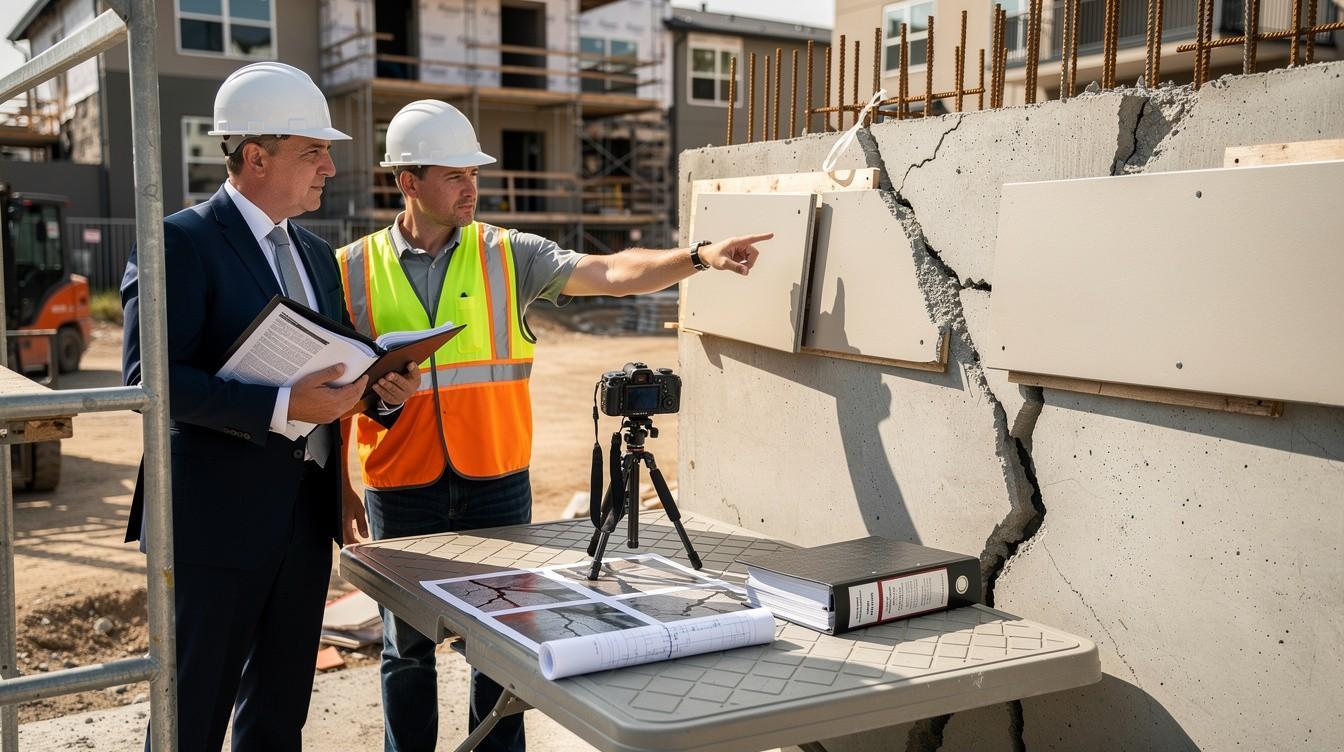
Property owners in Ventura County frequently encounter combinations of these defect types within a single project, such as water intrusion caused by both design flaws in the building envelope and workmanship failures during installation. Documenting which type of defect affects your property requires more than photos-you need inspection reports from qualified inspectors who can identify root causes. An inspector should identify whether cracks stem from foundation settlement, whether water damage traces to missing sealant or improper slope, and whether electrical problems resulted from code violations or material defects.
Repair Costs Vary Dramatically by Defect Type
Repair costs vary dramatically depending on defect classification. A simple workmanship repair might cost $5,000, while addressing underlying design or foundation issues can exceed $100,000. Identifying liable parties early strengthens your position before settlement discussions begin, which is why documenting defects accurately matters from the start. The next step involves understanding how construction litigation identifies those responsible parties and calculates the full scope of damages you can recover.
How Litigation Identifies Liable Parties and Recovers Damages
Mapping the Supply Chain to Establish Responsibility
Construction defect litigation starts with mapping the entire supply chain to identify who bears financial responsibility. In Ventura County projects, liability often extends beyond the general contractor to subcontractors, material suppliers, architects, and engineers. A foundation crack caused by inadequate soil preparation implicates the excavation subcontractor and the structural engineer who designed the foundation system. Water intrusion through a poorly installed window involves the window manufacturer, the installation crew, and potentially the architect who specified the window type.
Building a liability case requires tracing each defect back to its source. Photographs alone prove insufficient-you need inspection reports that identify root causes, contract documents showing who performed specific work, invoices revealing material choices, and warranty information establishing manufacturer obligations. Insurance coverage also matters significantly because a contractor’s commercial general liability policy typically covers property damage claims, meaning the insurer has a duty to defend the contractor once you file a claim alleging property damage. This shifts negotiations toward the insurance company rather than an individual contractor who may lack resources for a substantial settlement.
Calculating Damages Beyond Repair Costs
Calculating recoverable damages extends far beyond simple repair costs. California courts recognize that defective work causes consequential damages including loss of use when a property becomes uninhabitable during repairs, rip-and-tear costs when contractors must remove non-defective components to access and fix defective work, and diminished property value reflecting the difference between what your home would sell for with and without the defect. A foundation repair might cost $80,000, but if the repair requires the family to live elsewhere for six months, that displacement cost is recoverable. If accessing the defective plumbing requires removing perfectly good drywall and flooring, those removal and reinstallation costs are recoverable as consequential damages.
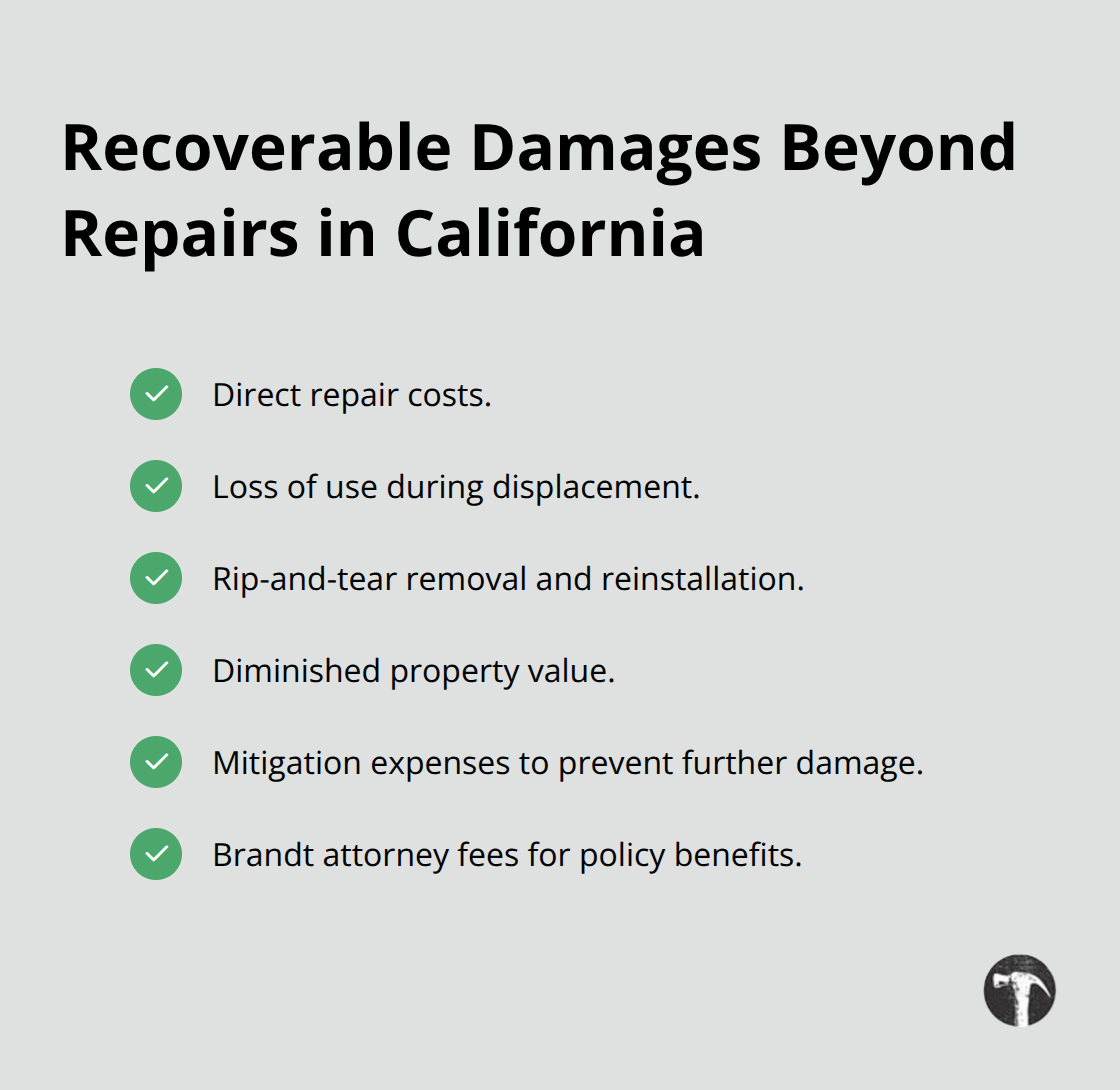
Mitigation expenses incurred to prevent further damage also qualify for recovery. Attorney fees paid to recover policy benefits-called Brandt fees under California law-are compensable when you must hire counsel to fight an insurer’s wrongful denial. These additional damages often exceed the initial repair estimate, which is why thorough documentation from the start strengthens your position.
Settlement Negotiations and Litigation Strategy
Settlement negotiations typically begin after your inspection reports and damage calculations are complete, with most cases resolving before trial. However, if a builder or insurer refuses reasonable settlement offers despite clear liability, litigation becomes necessary. Court proceedings in Ventura County involve discovery where both sides exchange documents and depositions, followed by motion practice and potentially trial.
Cases commonly take twelve to thirty-six months from filing to resolution depending on court backlog and case complexity. Consistent communication with your attorney throughout this timeline accelerates progress and keeps settlement discussions moving forward. Understanding whether your case involves a builder’s commercial general liability insurer or a contractor you hired directly determines which legal path applies and which damages you can pursue-a distinction that shapes your entire litigation strategy.
How to Choose Contractors and Inspectors That Protect Your Property
Verify Contractor Credentials and Track Record
Selecting the right contractor determines whether your project finishes on time without defects or becomes a years-long litigation nightmare. Most property owners make this decision based on price alone, which is precisely backward. The cheapest bid typically signals that the contractor cut corners on materials, labor quality, or both. Instead, verify that any contractor you hire holds a current California contractor license and check the Contractors State License Board database to confirm their licensing status and review any complaints filed against them.
Request references from at least three completed projects similar in scope to yours, then contact those references directly. Ask specific questions about whether the contractor finished on schedule, whether change orders remained reasonable, and whether defects emerged after completion. A contractor unwilling to provide references or one with a pattern of complaints in the license board database should be eliminated immediately, regardless of price.
Conduct Inspections at Critical Construction Phases
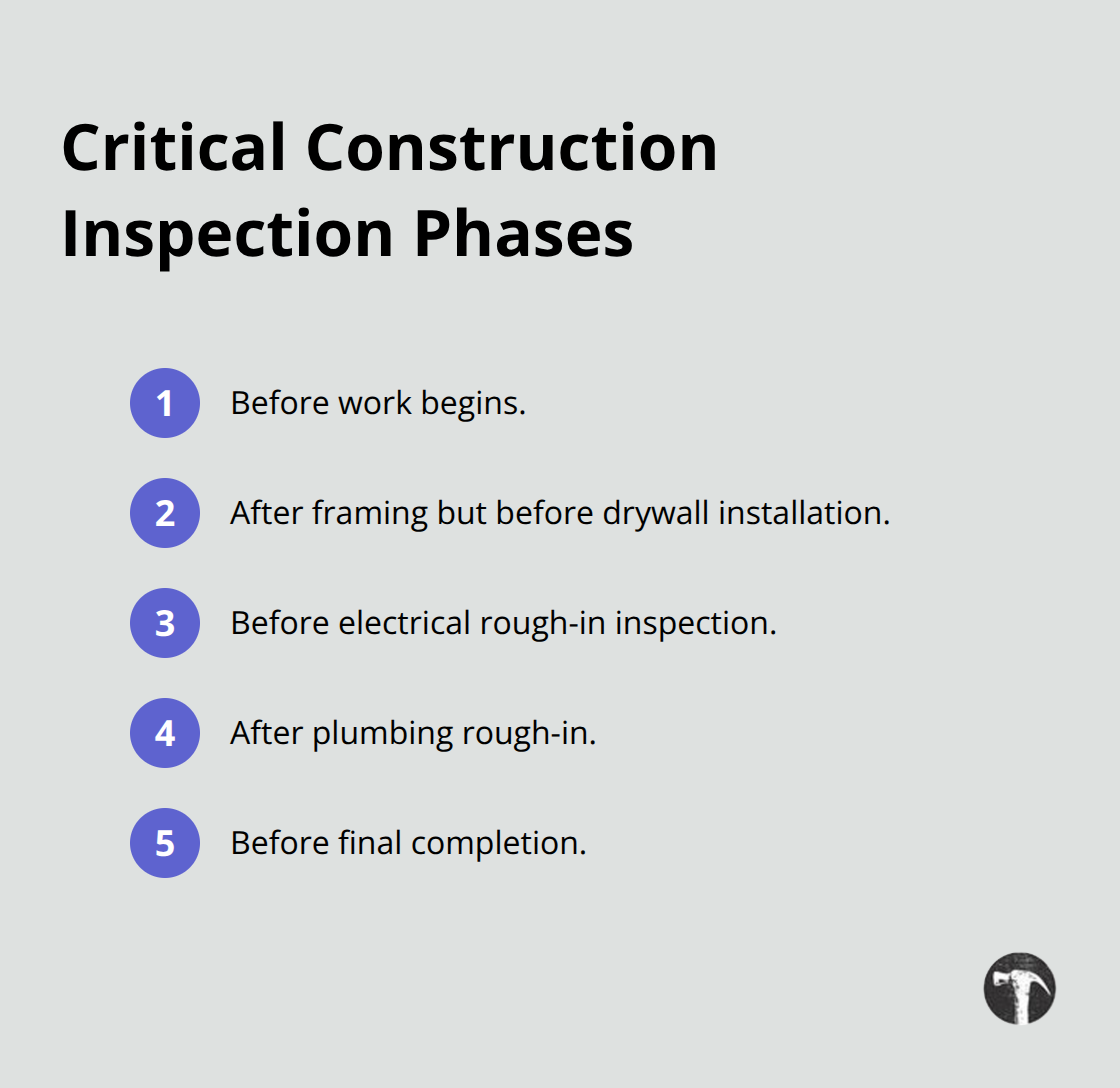
Inspections during construction prevent defects far more effectively than litigation after the fact, yet most property owners skip this step entirely. Hire a third-party inspector licensed in California to conduct inspections at critical phases: before work begins, after framing but before drywall installation, before electrical rough-in inspection, after plumbing rough-in, and before final completion. These inspections cost between $400 and $800 per visit, but they identify problems while correction remains affordable rather than after concrete hardens or walls close.
Your contract with the contractor must explicitly grant you the right to conduct these inspections and require the contractor to provide access without obstruction. Photograph everything at each inspection phase and maintain a centralized file containing all photos, inspection reports, contracts, change orders, and invoices organized chronologically. This documentation becomes invaluable if disputes arise because it establishes what was built, when it was built, and what was paid for each phase.
Establish Clear Warranty and Responsibility Terms
Your contract must include clear warranty language specifying that the contractor warrants workmanship for at least one year and that materials carry manufacturer warranties, with the contractor responsible for transferring those warranties to you. Many contractors bury unfavorable terms in standard contracts, so have an attorney review your construction agreement before signing to identify exclusions that might limit your recovery options later.
Understand what your contract says about who bears responsibility if a material defect emerges-some contracts shift this burden entirely to the property owner, while others require the contractor to remedy defects at no cost. These distinctions matter enormously because they determine whether you can recover damages from the contractor or only from the manufacturer or subcontractor responsible for the defective work. If you face disputes over contractor performance or defects, we at The Law Offices of Alan J. Carnegies, APC represent property owners in construction defect claims throughout Los Angeles County and Ventura County.
Final Thoughts
Construction defects demand legal action because the financial stakes are substantial and the deadlines are unforgiving. A defect that costs $50,000 to repair today becomes a $150,000 problem after water damage spreads or foundation movement worsens. California’s statute of limitations creates hard deadlines that vary by defect type, meaning delayed action can permanently eliminate your right to recover damages.
We at The Law Offices of Alan J. Carnegies, APC help property owners throughout Los Angeles County navigate Ventura County construction defects by identifying liable parties, calculating the full scope of recoverable damages, and negotiating settlements or pursuing litigation when necessary. Our approach starts with listening to your specific situation, then building a case grounded in inspection reports, contractor documentation, and qualified analysis. We handle the complex interactions with builders’ commercial general liability insurers, challenge wrongful coverage denials, and pursue consequential damages that extend beyond simple repair costs.
If you discovered a construction defect in your property, your first step is documenting the problem with photographs and written descriptions, then contacting a construction defect attorney before deadlines pass. Gather your contracts, invoices, warranties, and any prior inspection reports or communications with the contractor. Contact us at (805) 267-1180 to discuss your claim, and visit our website to learn more about how we represent property owners in construction litigation throughout the region.