Tree roots cause thousands of dollars in damage to California properties every year. Homeowners often face unexpected repair bills, diminished property values, and complex questions about who bears the financial responsibility.
We at The Law Offices of Alan J. Carnegies, APC help property owners throughout Los Angeles County understand California tree root liability and recover compensation for their losses. This guide explains the legal standards, fault determination, and remedies available when tree roots damage your property.
How Tree Roots Damage California Properties
The Mechanics of Root Penetration and Structural Harm
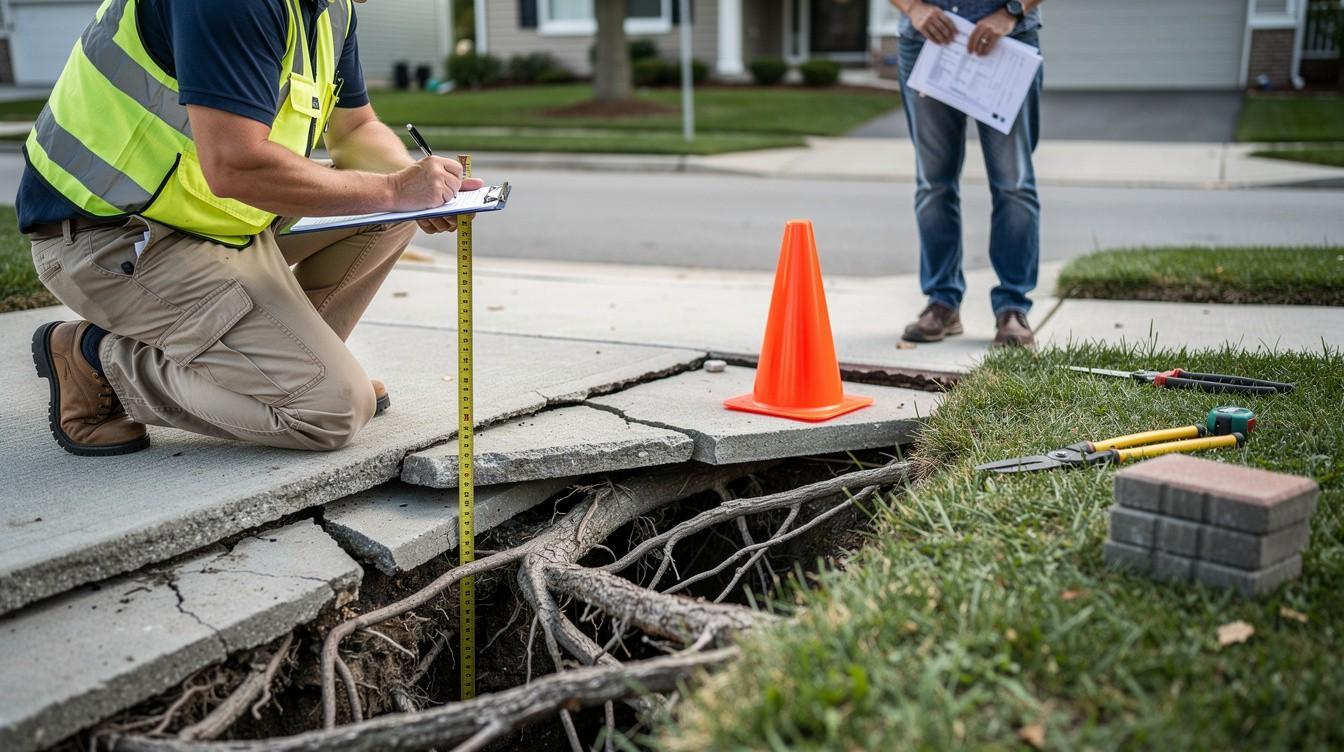
Tree roots seek water and nutrients, making their way through soil toward underground utilities, building foundations, and hardscape surfaces. Sidewalks crack and heave when roots push upward from below, creating trip hazards and expensive repairs. Driveways develop buckles and breaks as root pressure forces concrete upward, sometimes requiring complete replacement rather than patching. Foundations shift and crack when roots extract moisture from soil beneath homes, causing differential settling that compromises structural integrity. Plumbing lines rupture when roots penetrate small gaps in pipes, leading to sewage backups and contaminated soil that demands excavation and replacement. Underground utilities including gas lines, electrical conduits, and water mains face similar threats.
Proving Root Causation Through Professional Analysis
Root damage typically requires professional analysis to prove causation. An ISA-certified arborist evaluates whether roots actually caused the damage or whether other factors contributed. These professionals reference ANSI A300 standards and Best Management Practices for Tree Risk Assessment to conduct thorough evaluations. Their reports establish the connection between root activity and observed damage, which becomes essential if you pursue an insurance claim or legal action. Without this documentation, property owners struggle to hold responsible parties accountable.
The True Cost of Root Damage to Homeowners
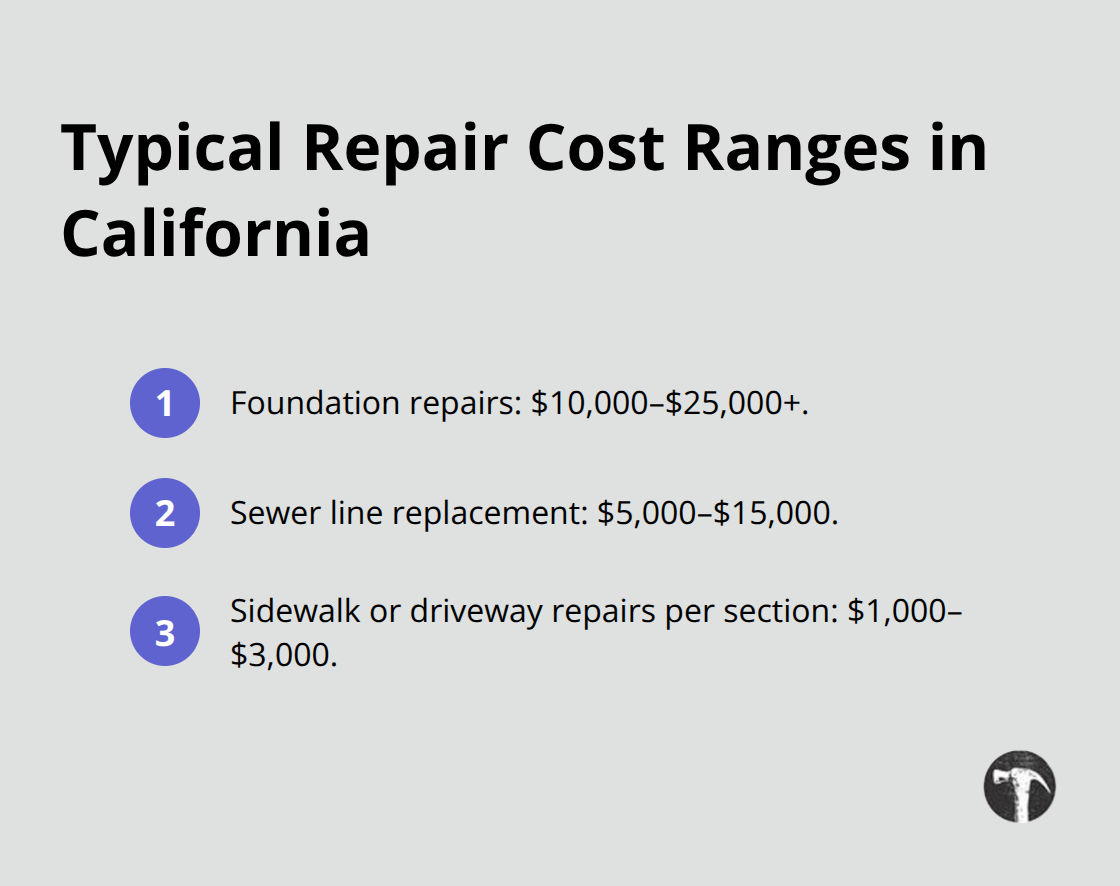
The financial burden on homeowners is substantial and often underestimated. Repairing a damaged foundation costs $10,000 to $25,000 or more, while replacing a compromised sewer line runs $5,000 to $15,000 depending on depth and length. Sidewalk and driveway repairs average $1,000 to $3,000 per damaged section, with complete replacement pushing costs higher.
Beyond repair expenses, property values diminish when root damage is documented, sometimes dropping 5 to 15 percent depending on severity and repair history.
Insurance Claims and Documentation Requirements
Insurance claims frequently face denial or coverage limits when insurers determine that negligent maintenance allowed the hazard to develop. Documentation matters from day one-maintain detailed records including photographs, maintenance dates, and professional reports to support any claim or legal action. This evidence protects your position whether you negotiate with an insurer or pursue recovery through other means. When root damage occurs on your property, understanding liability and your recovery options becomes the next critical step.
California’s Legal Framework for Tree Root Liability in Calabasas, California
The Duty of Care Property Owners Must Meet
California property owners face a straightforward legal reality: you must maintain trees on your property in reasonably safe condition, or you become liable for damage they cause. Rowland v. Christian and the Restatement (Second) of Torts establish this duty of care, making negligence the primary pathway for holding someone accountable when tree roots damage neighboring properties or structures. Courts ask not whether roots caused damage, but whether the property owner knew or should have known about the hazard and failed to address it. An old, diseased, or poorly maintained tree that damages a neighbor’s foundation or driveway creates liability because a reasonable property owner would have recognized the risk and taken corrective action.
Documentation becomes your shield or sword in these disputes. If you maintained annual arborist inspections, documented pruning, and removed obviously hazardous limbs, you have a strong defense. If your tree was visibly diseased or had a history of dropping branches, you face significant exposure to liability claims. California courts have rejected the natural conditions doctrine that once protected property owners from liability for tree damage, meaning you cannot simply claim the tree grew naturally and therefore you bear no responsibility. This shift places the burden squarely on property owners to demonstrate reasonable care through proactive maintenance and documented risk assessments.
Foreseeability and Proximity as Liability Factors
Foreseeability matters significantly in tree root liability cases. A tree growing within ten feet of a structure presents foreseeable risk of root damage, and courts recognize this proximity as a factor in determining whether the owner should have anticipated harm. Property owners cannot ignore obvious hazards near buildings, utilities, or neighboring properties and later claim surprise when damage occurs.
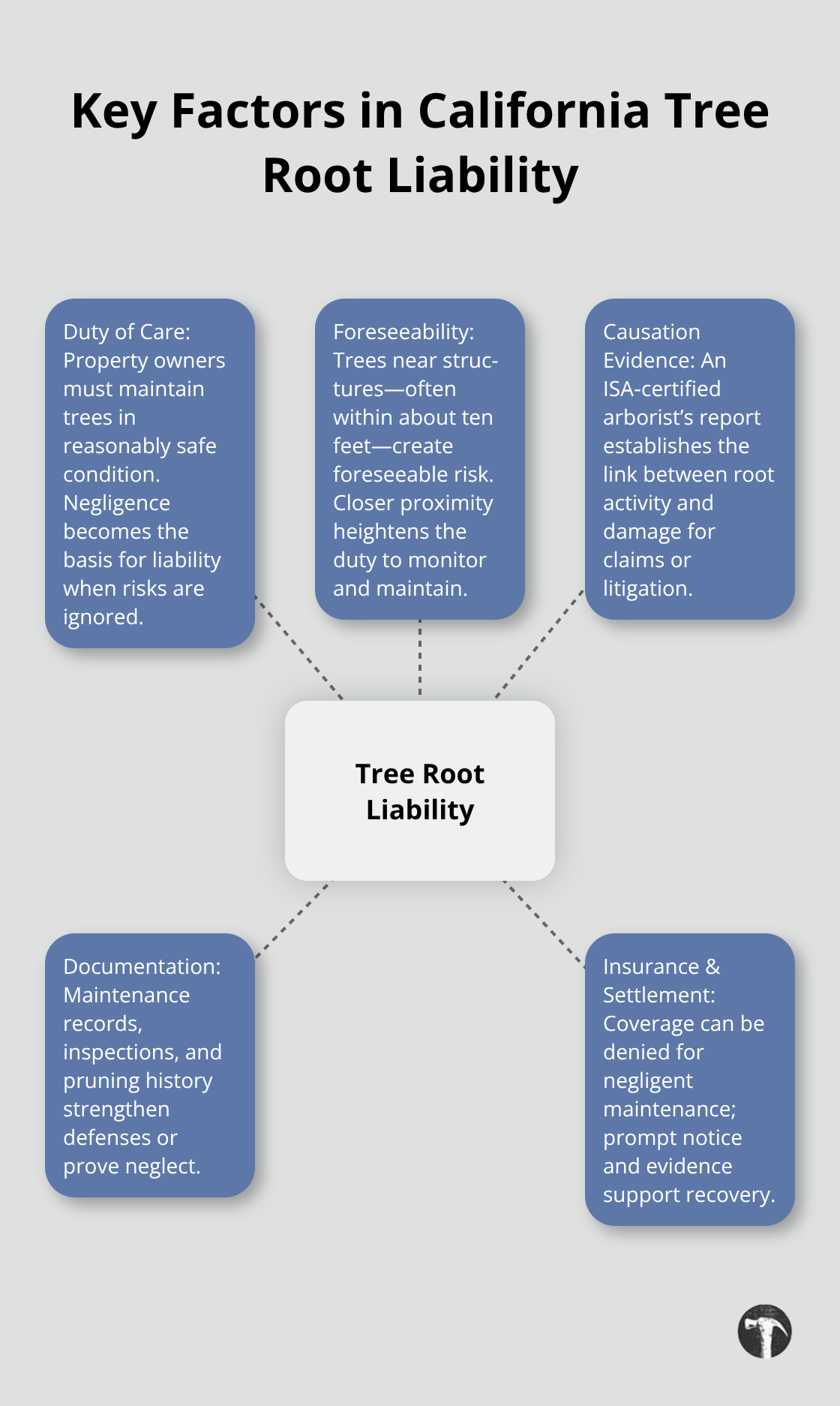
The closer a tree stands to a structure, the greater the duty to maintain it and monitor for root-related threats.
Establishing Causation Through Professional Evidence
Proving causation remains the critical hurdle in any tree root liability case, which is why hiring an ISA-certified arborist early becomes non-negotiable. That arborist report establishes the mechanical link between root activity and damage, distinguishing root penetration from settling, water damage, or age-related deterioration. When a neighbor’s tree roots crack your foundation or rupture your sewer line, you will need this professional analysis to support an insurance claim or legal demand. The property owner’s maintenance records work against them if they are sparse or absent, signaling neglect to both insurers and courts. If litigation becomes necessary, professional evidence of the responsible party’s failure to maintain their trees and the true cost of your repairs becomes essential to recovery.
Settlement and Recovery Pathways
Settlement negotiations often hinge on whether the liable party’s insurance will cover the claim or whether you must pursue recovery directly against the property owner’s personal assets. Acting quickly to document damage, obtain professional reports, and notify all potentially responsible parties preserves your legal position and maximizes your recovery options. When disputes arise over liability for tree root damage, we help resolve the matter and determine liability for the root damage and the cost of repairs. Understanding these legal standards and acting promptly positions you to recover the compensation you deserve for root damage to your property.
What Compensation Can You Recover for Root Damage in Calabasas, California
When tree roots damage your property, recovery depends on establishing liability and navigating insurance coverage or direct claims against the responsible party. The three primary categories of compensation address immediate repair costs, long-term property value loss, and insurance recovery paths. Foundation repairs alone range from $10,000 to $25,000, while sewer line replacement costs $5,000 to $15,000 depending on depth and accessibility. Sidewalk and driveway repairs average $1,000 to $3,000 per damaged section, though complete replacement often exceeds these figures significantly. These direct repair costs form the foundation of any compensation claim, but the financial impact extends far beyond the contractor’s invoice.
Property value diminishment represents the second major recovery category and often exceeds repair costs themselves. When root damage is documented and repairs remain incomplete, properties lose 5 to 15 percent of their market value depending on severity and repair history.
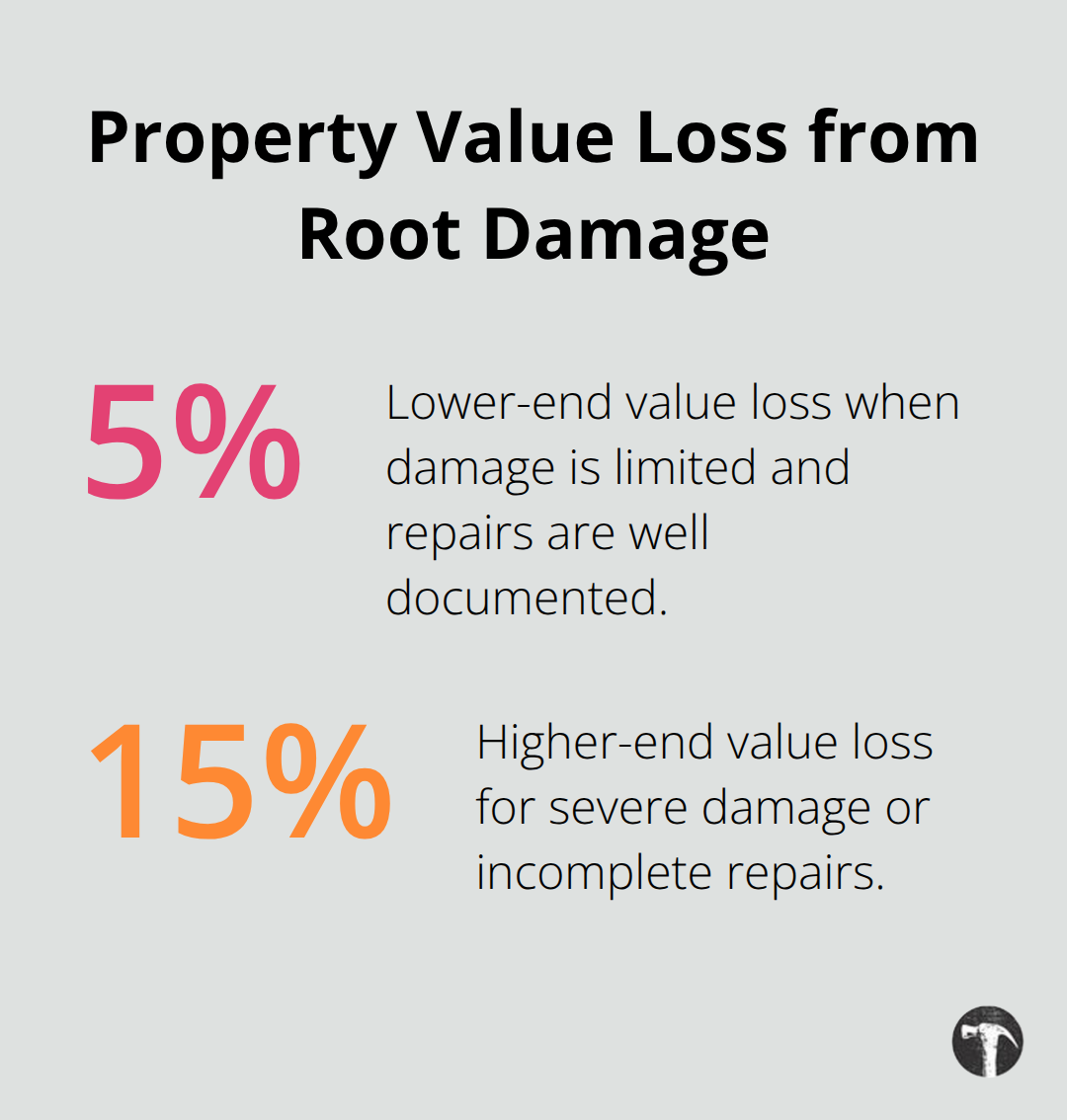
A home worth $800,000 with significant foundation or sewer damage could lose $40,000 to $120,000 in value, even after repairs are completed. This diminishment claim requires a professional appraisal showing the difference between pre-damage and post-damage value, making documentation from the moment damage occurs essential to establishing this loss.
Insurance Coverage and Claim Denials
Homeowners insurance policies cover tree damage to structures, but insurers routinely deny claims or cap payouts when they determine that negligent maintenance allowed the hazard to develop. Notify your insurer immediately after discovering root damage, providing photographs, maintenance records, and professional arborist reports. These documents prevent insurers from claiming surprise or lack of causation. The Insurance Information Institute indicates that homeowners insurance typically covers tree damage to property, but coverage limits apply and denials occur when negligent maintenance contributed to the hazard. If the liable party’s insurance denies your claim, you retain the right to pursue direct recovery against the property owner through settlement negotiation or litigation. Acting quickly to obtain professional evidence of causation and repair costs positions you to overcome insurance denials and recover full compensation.
Settlement Through Neighbor Negotiation
When a neighbor’s tree causes root damage, direct negotiation frequently resolves the matter faster and cheaper than litigation. The neighbor’s homeowners insurance may cover the claim if they maintained their tree reasonably and the damage resulted from natural tree growth rather than negligence. Present your repair estimates, arborist report, and property value appraisal to initiate settlement discussions. Most property owners prefer settling a claim over defending a lawsuit, making early negotiation the most practical path to recovery. If the neighbor refuses to acknowledge liability or their insurance denies coverage, we at The Law Offices of Alan J. Carnegies, APC can help resolve the matter and determine liability for the root damage and the cost of repairs.
Municipal and City Tree Liability
When a city-owned or public tree causes private property damage, liability depends on negligence and generally follows premises liability principles under Rowland v. Christian. Cities maintain trees on public property and bear the same duty of care as private property owners to prevent foreseeable harm. However, municipal entities often claim governmental immunity or argue that trees represent natural conditions not subject to liability. Your recovery path requires proving negligence through documented complaints to the city, evidence of visible hazards, or arborist reports showing obvious defects the city should have addressed. Settlement negotiations with municipal insurers demand strong professional evidence and clear documentation of the city’s knowledge of the hazardous condition. Los Angeles County property owners throughout the region should contact local city public works departments to report hazardous trees before damage occurs, creating a documented record that strengthens future claims if damage results.
Conclusion
California tree root liability claims succeed when property owners act quickly and gather professional evidence from the moment damage appears. Document everything-photographs, repair estimates, arborist reports, and maintenance records-because this evidence determines whether you recover full compensation or face denial from insurers and liable parties. The financial stakes are substantial: foundation repairs cost $10,000 to $25,000, sewer line replacement runs $5,000 to $15,000, and property value diminishment can exceed repair costs entirely.
Contact your homeowners insurer immediately after discovering root damage and hire an ISA-certified arborist to establish causation. Notify the neighbor or property owner whose tree caused the damage, presenting your professional reports and repair estimates to initiate settlement discussions. Most property owners prefer settling claims over defending lawsuits, making early negotiation the fastest path to recovery.
We at The Law Offices of Alan J. Carnegies, APC represent property owners throughout Los Angeles County in California tree root liability disputes and help resolve matters involving tree damage claims. Our firm handles construction litigation, including mechanic’s liens, construction defects, and tree root damage claims. Contact us today to protect your interests and pursue the compensation you deserve.