
Commercial real estate disputes can derail your business and drain your finances. Whether you’re a property owner or tenant in Los Angeles County, California, disagreements over leases, ownership, or maintenance can escalate quickly without proper guidance.
We at The Law Offices of Alan J. Carnegies, APC help property owners and tenants resolve these conflicts before they become costly problems. This guide walks you through common disputes and the practical steps to protect your investment.
What Disputes Actually Happen in Commercial Real Estate
Lease Breaches Create the Most Common Conflicts
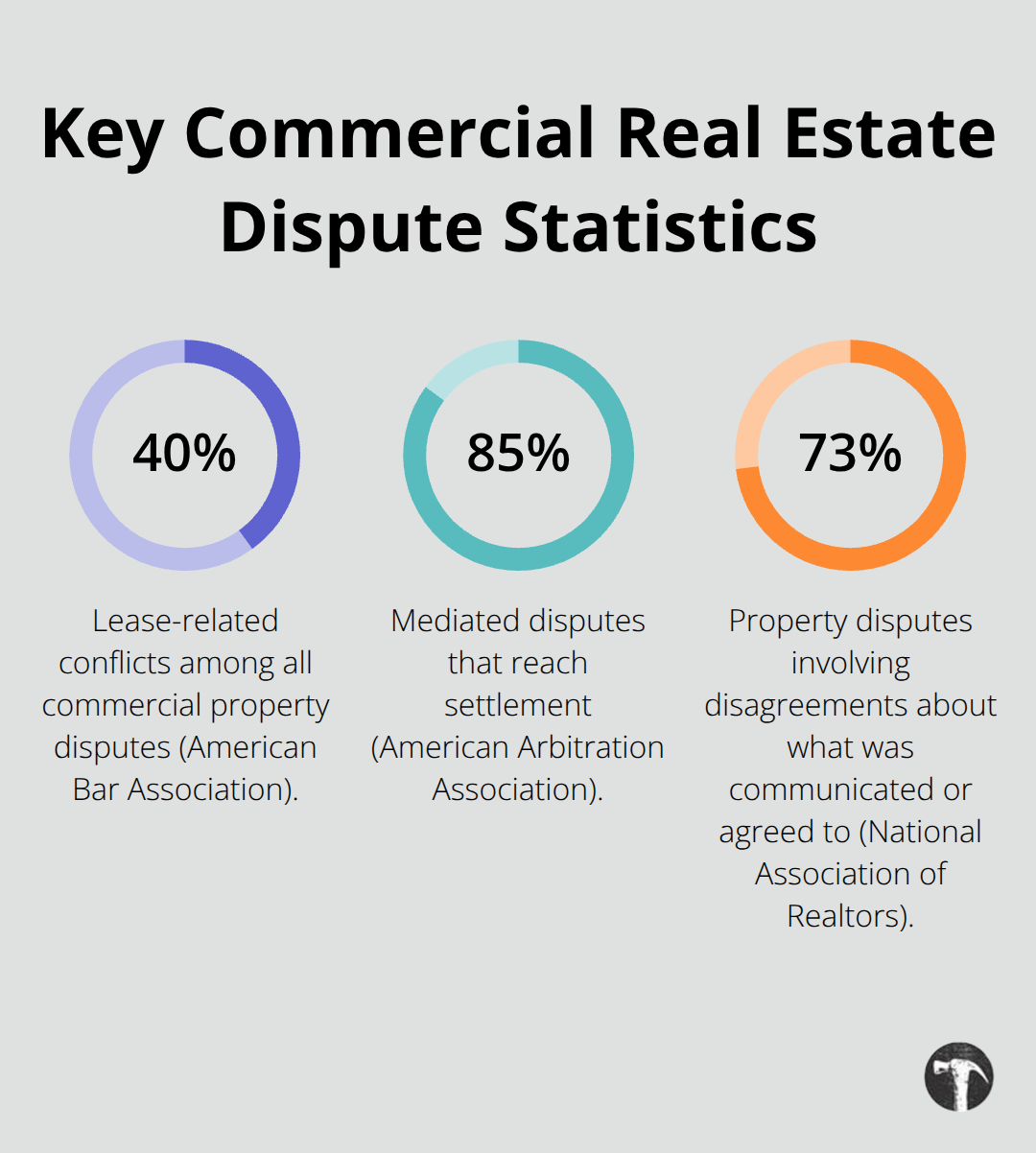
Lease breaches represent the most frequent commercial real estate disputes we encounter. Tenants fall behind on rent, fail to maintain common areas, or operate businesses that violate lease terms. Landlords sometimes refuse to make necessary repairs or attempt to evict without proper notice. According to the American Bar Association, lease-related conflicts account for roughly 40% of all commercial property disputes. Vague lease language intensifies the problem.
A tenant might interpret maintenance obligations differently than the landlord intended, creating months of conflict before either party considers legal action. Most of these situations could have been prevented with clearer contract language upfront.
Title Problems Freeze Your Property Rights
Ownership and title conflicts emerge when property records contain errors, previous owners fail to transfer title properly, or multiple parties claim rights to the same property. Title insurance sometimes refuses to cover defects, leaving owners vulnerable. These disputes can freeze your ability to refinance, sell, or develop property. Title searches occasionally reveal liens from contractors or tax authorities that weren’t disclosed during purchase. A single title defect can halt transactions for months and cost thousands in legal fees to resolve.
Property Condition Disputes Require Documentation
Property condition and maintenance disagreements happen constantly. A landlord claims the tenant damaged the space beyond normal wear and tear; the tenant argues the landlord failed to maintain the roof or electrical systems. Without documented photographic evidence and written communication, these disputes become he-said-she-said situations that courts struggle to resolve fairly. The cost to litigate a property condition dispute often exceeds $50,000, making early documentation absolutely essential.
Protect Yourself Through Smart Record-Keeping
Commercial property owners and tenants who photograph conditions at lease signing, document all maintenance requests in writing, and keep detailed records of communications protect themselves far more effectively than those who rely on memory or verbal agreements. Written documentation (emails, letters, photographs, and maintenance logs) transforms weak disputes into defensible positions. When conflicts do arise, this evidence determines whether you win or lose. The next section explores the legal solutions available when disputes escalate beyond prevention.
How to Resolve Commercial Real Estate Disputes Quickly
Start with Contract Review and Negotiation
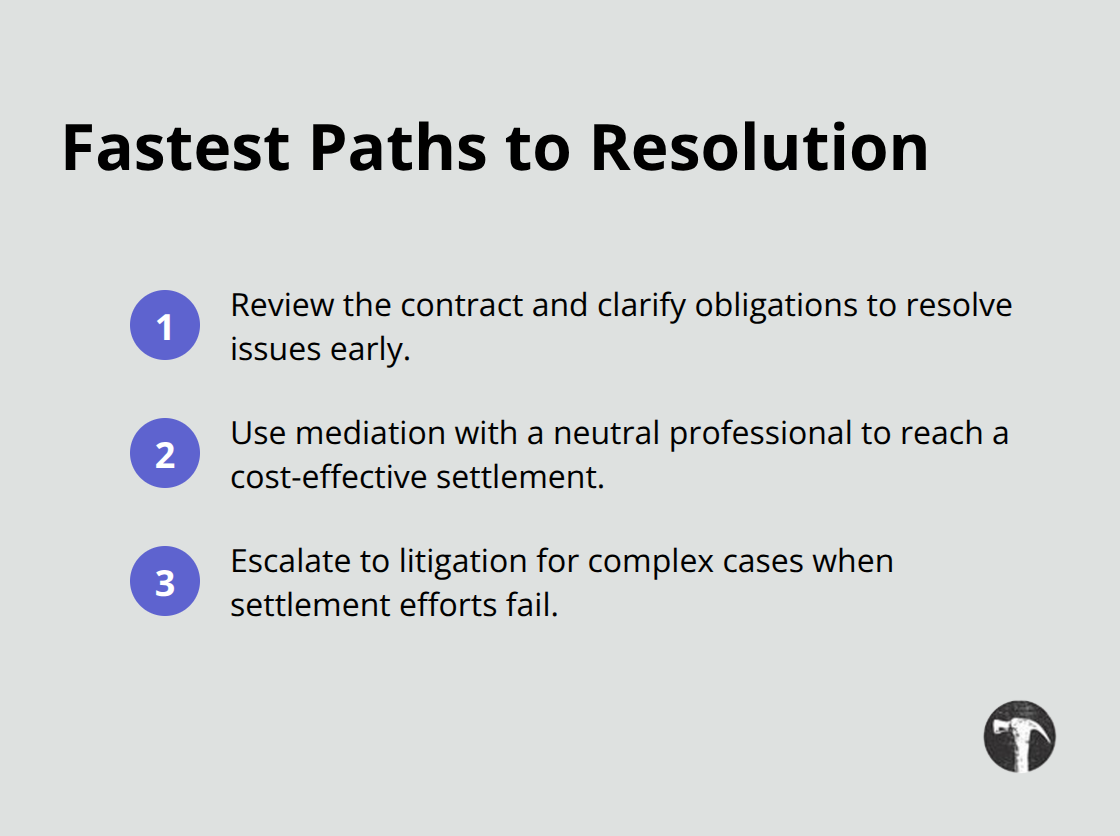
When a commercial real estate conflict emerges, your first instinct should be to fix it without court involvement. Most disputes can be resolved through contract review and negotiation before they consume your time and money. A thorough contract review identifies the actual problem-often buried in vague language or conflicting interpretations rather than deliberate breach. An attorney should review your lease before disputes arise, not after. If a conflict does emerge, negotiation works surprisingly well when both parties understand their legal position. The Society for Professionals in Dispute Resolution reports that negotiated settlements save parties an average of 40% compared to litigation costs. Many property owners and tenants waste months arguing about interpretations that a single attorney conversation could clarify in hours.
Mediation Saves Time and Money
Mediation offers the next practical step when negotiation stalls. A neutral mediator helps both parties resolve common ground without the expense and hostility of litigation. Mediation typically costs between $2,000 and $5,000 compared to litigation expenses that frequently exceed $50,000 for straightforward disputes. The American Arbitration Association found that 85% of mediated disputes reach settlement, making it far more efficient than courtroom battles. This approach works particularly well for lease disagreements, maintenance disputes, and rent payment conflicts where both parties want to preserve the business relationship.
Litigation Becomes Necessary for Complex Cases
If mediation fails and your dispute involves title defects, breach of contract, or eviction, litigation becomes necessary. Complex cases require a trial lawyer who understands real estate law deeply. Property owners and tenants across Los Angeles County, California (including Calabasas) face disputes that demand courtroom representation when settlement attempts fail. The litigation process typically takes 12 to 24 months for commercial real estate cases, depending on complexity and court schedules. We at The Law Offices of Alan J. Carnegies, APC handle real estate litigation, helping property owners and tenants protect their interests through every stage of the process.
Know When to Escalate Your Response
The timing of your legal action matters significantly. Waiting too long to address a dispute can result in lost evidence, witness unavailability, and weakened legal positions. Property owners who act within 30 days of discovering a breach have substantially better outcomes than those who wait months. Tenants facing wrongful eviction should contact legal counsel immediately, as eviction timelines move quickly under California law. The difference between winning and losing often comes down to how fast you respond and document the problem.
Your dispute resolution strategy depends on the specific conflict and the relationship you want to maintain with the other party. Understanding which approach fits your situation-negotiation, mediation, or litigation-determines whether you resolve the matter efficiently or watch it consume resources for years. The next section covers how to protect your commercial property investment before disputes ever reach this stage.
Protecting Your Commercial Property Investment
Read Your Lease Before You Sign It
Your lease agreement forms the foundation of every commercial property relationship, yet most property owners and tenants treat it like a formality rather than a working document. Read your lease thoroughly before signing, paying particular attention to maintenance responsibilities, rent escalation clauses, renewal terms, and what constitutes a lease violation. Many disputes arise because one party interpreted vague language differently than the other party intended. A landlord might assume the tenant covers all interior repairs, while the tenant believes the landlord maintains structural elements. These misunderstandings cost money to resolve later.
An attorney should review your lease before you sign it, not after problems emerge. The cost of preventive legal review typically ranges from $500 to $1,500 and prevents disputes that cost $50,000 or more to litigate. Property owners across Los Angeles County, California, including those in Calabasas, who skip this step often regret it when disagreements surface.
Document Everything in Writing
Documentation separates winners from losers in commercial property disputes. Photograph the property condition before tenants move in and again at lease end, capturing details of walls, flooring, fixtures, and any existing damage. Send all maintenance requests in writing through email rather than verbal conversations, keeping a timestamped record of what was requested and when.
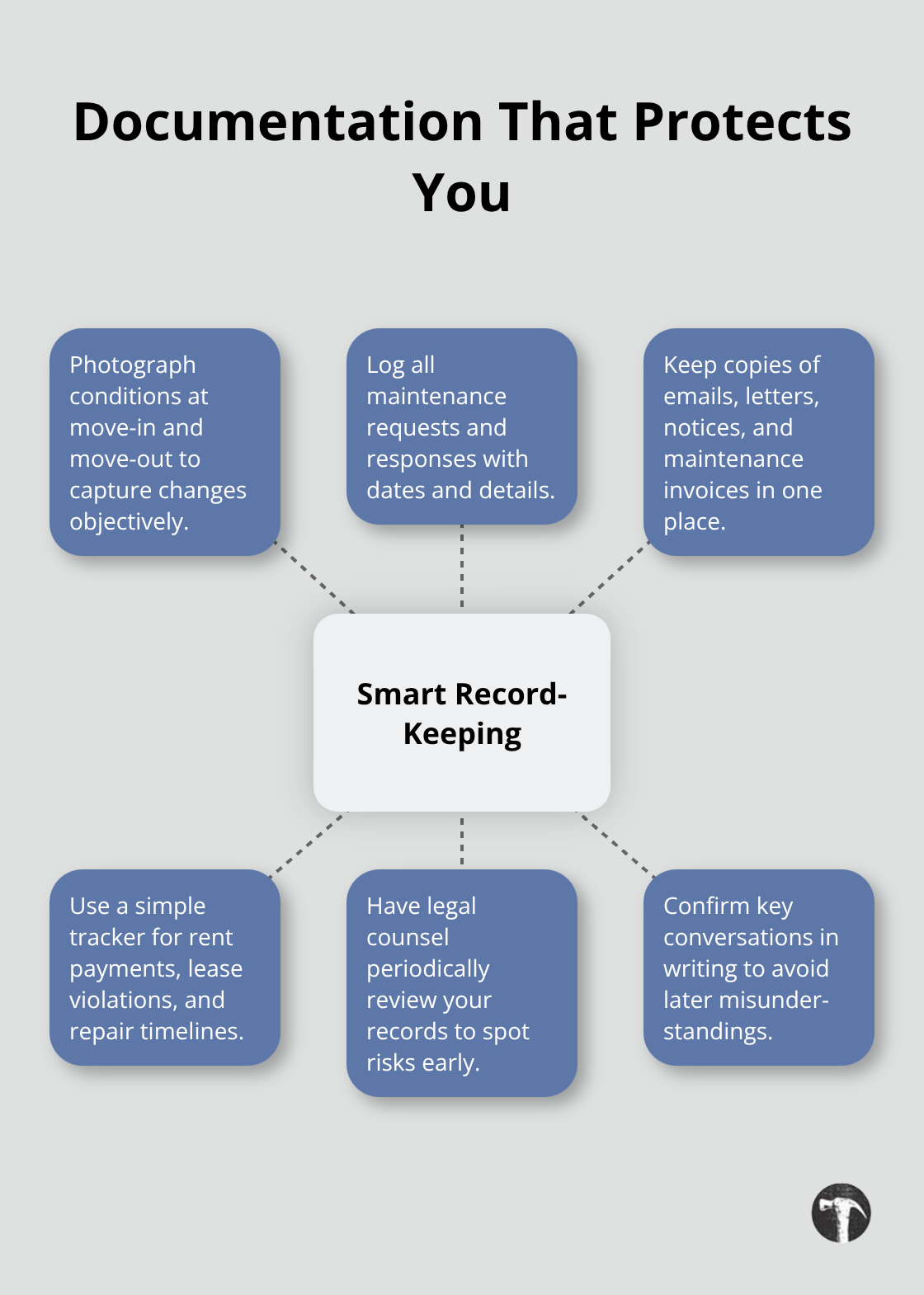
When a tenant reports a broken HVAC system, respond in writing confirming the date, time, and what repair work will occur. When a landlord demands rent payment, send written notice specifying the amount due and deadline. The National Association of Realtors found that 73% of property disputes involve disagreements about what was actually communicated or agreed to. Written documentation eliminates this problem entirely.
Create a Communication Tracking System
Create a simple spreadsheet tracking all communications, maintenance issues, rent payments, and lease violations with dates. This takes minimal effort but transforms weak disputes into defensible positions if litigation becomes necessary. Legal counsel should review your documented communications periodically to identify emerging problems before they escalate into formal disputes. Property owners and tenants who maintain detailed records (emails, letters, photographs, and maintenance logs) protect themselves far more effectively than those who rely on memory or verbal agreements.
Final Thoughts
Commercial real estate disputes drain resources and damage business relationships, but they’re preventable with the right approach. The foundation starts before conflict ever emerges: review your lease carefully, document everything in writing, and maintain detailed records of communications and property conditions. When disputes do arise, negotiation and mediation resolve most situations far faster and cheaper than litigation.
We at The Law Offices of Alan J. Carnegies, APC represent property owners and tenants in real estate conflicts across Los Angeles County, California, including Calabasas. We handle landlord-tenant disputes, title conflicts, real estate contract disagreements, and boundary issues when commercial real estate disputes require courtroom representation or settlement negotiation. Acting quickly matters-waiting weeks or months weakens your legal position and costs more money to fix.
If you’re facing a conflict or want to protect your property investment before problems surface, contact us at carnegielawfirm.com to discuss your situation. The cost of preventive legal review and proper documentation is minimal compared to the expense of resolving disputes after they escalate.