
Property disputes can derail your financial plans and create months of uncertainty. Whether you’re facing a boundary conflict, contract breach, or lease violation, real estate litigation in California demands immediate attention.
We at The Law Offices of Alan J. Carnegies, APC serve property owners and tenants throughout Los Angeles County who need clear guidance on their rights and options. This guide walks you through the most common disputes, California’s legal framework, and the practical steps to protect your interests.
Common Types of Real Estate Disputes in California
Boundary Disputes and Property Line Conflicts
Boundary disputes top the list of property conflicts we see across Los Angeles County. These arise when deed descriptions are unclear, surveys contradict each other, or structures cross property lines. A neighbor’s fence, driveway, or foundation encroaching even a few inches onto your land can escalate into costly litigation. The problem intensifies in older neighborhoods where original surveys lack precision or have never been formally recorded.
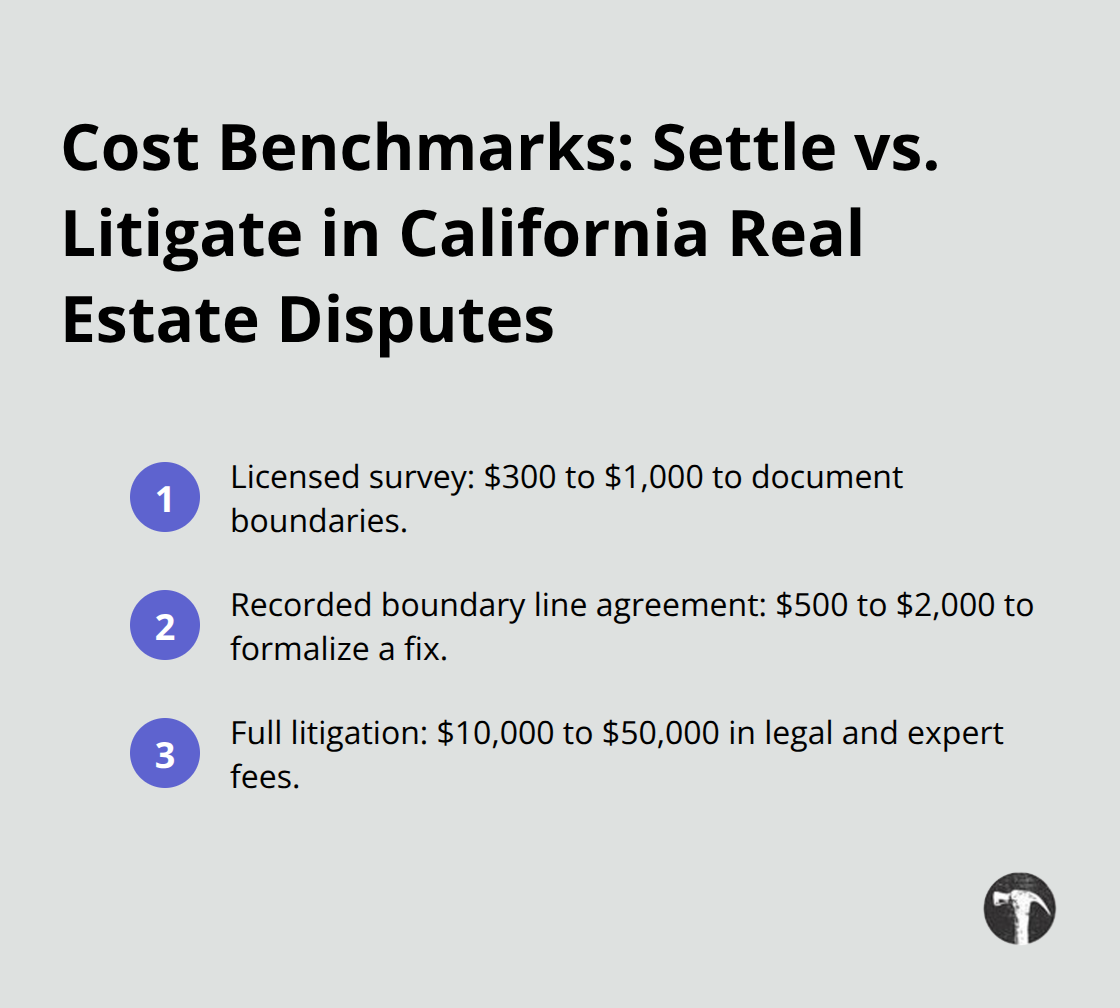
If you suspect a boundary issue, hire a licensed surveyor immediately. The cost of a survey typically ranges from $300 to $1,000 and provides objective evidence that often resolves disputes without court involvement. Encroachments that have existed for five years or longer in California can trigger adverse possession claims, meaning your neighbor might gain legal ownership of the disputed land if you don’t act. This makes early intervention non-negotiable.
Real Estate Contract Disputes and Lease Violations
Real estate contract disputes and lease violations represent the second major category of property conflicts. Buyers and sellers frequently clash over contingencies, disclosures, and closing timelines. California Civil Code Section 1102 requires sellers to disclose known material defects; failure to do so grounds lawsuits for damages.
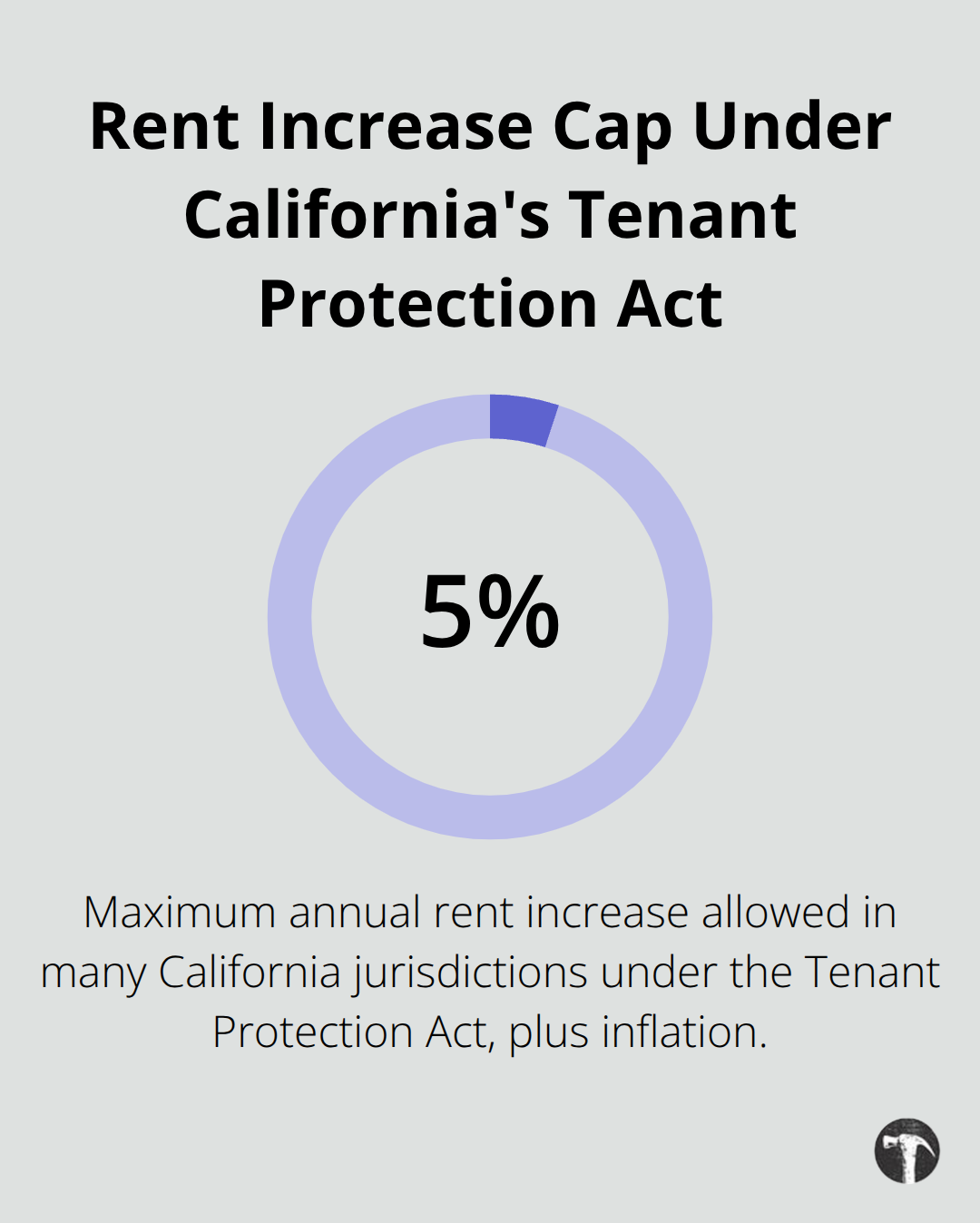
Landlord-tenant conflicts center on repair obligations, rent increases, security deposits, and eviction procedures. In Los Angeles County and other rent-controlled cities, the Tenant Protection Act adds layers of complexity-landlords cannot raise rent more than 5% plus inflation in many jurisdictions, and wrongful evictions trigger statutory damages. Tenants must receive proper notice periods, typically 30 to 90 days depending on local ordinances.
Why Speed Matters in Property Disputes
California statutes of limitations on contract breaches typically allow three to four years to file, but evidence deteriorates and witnesses become unavailable over time. The longer you wait, the weaker your position becomes. Property owners and tenants who act quickly preserve critical documentation, secure witness statements, and maintain leverage in settlement discussions.
Understanding your jurisdiction’s specific rules is equally important. Los Angeles County ordinances differ from those in neighboring areas, and missing local deadlines can cost you your case. The Law Offices of Alan J. Carnegies, APC handles boundary disputes, real estate contract disputes, landlord-tenant disputes, and other property conflicts throughout Los Angeles County. With these disputes identified, the next step is understanding the legal framework that governs them.
California Real Estate Laws and Legal Framework
State Law Foundations for Property Disputes
California’s Civil Code forms the backbone of property law in the state, but identifying which specific statutes apply to your dispute separates winners from losers in litigation. Civil Code Section 1102 requires sellers to disclose material defects in writing, and violations trigger damages claims within four years. Title issues fall under Civil Code provisions that govern chain of title and recording requirements, while boundary disputes hinge on deed language and survey evidence interpreted under property law principles. Easement rights-whether your neighbor has the legal right to cross your land or use utilities-are established through recorded documents or prescriptive use lasting five or more years.
Statutes of Limitations: Missing Deadlines Costs You Everything
The statute of limitations for breach of contract claims typically runs three to four years from the date of breach, but construction defects operate under a different timeline. If a contractor fails to repair defects properly, you have four years to sue under contract law but only ten years from the date of substantial completion for latent defects under California’s construction defect statute. Missing these deadlines means losing your claim entirely, regardless of merit. This is why acting quickly when disputes arise matters so much-evidence deteriorates and witnesses become unavailable over time.
Los Angeles County Ordinances Layer Additional Complexity
Local Los Angeles County ordinances layer additional rules on top of state law that directly impact your case outcome. Rent control ordinances in cities like Los Angeles, Santa Monica, and West Hollywood cap rent increases at 3% to 5% plus inflation annually, making wrongful evictions or improper rent hikes subject to statutory penalties. Building codes and zoning restrictions vary significantly across Los Angeles County municipalities, meaning a use permitted in one city may violate ordinances in another. Property owners cannot simply ignore these local rules-violating them exposes you to fines, forced remediation, and litigation costs that dwarf the original dispute.
Environmental and Adverse Possession Considerations
The California Environmental Quality Act requires environmental review for certain development projects, adding complexity and delay to land use disputes. Adverse possession claims require proof of five years of open, notorious, continuous occupation with property tax payments, but this timeline and proof standard varies by jurisdiction in how strictly courts apply the rules. Los Angeles County property owners often overlook local recording rules that can affect whether a document is valid.
Why Local Knowledge Determines Your Case Outcome
Understanding whether your dispute falls under state law, local ordinance, or both determines your filing deadline, required notices, and available remedies. A general real estate attorney unfamiliar with Los Angeles County specifics may miss critical local deadlines or misapply ordinances that govern your case. The intersection of state statutes, local ordinances, and procedural rules creates a complex landscape that demands immediate attention. With these legal frameworks in place, the next step is understanding how to actually resolve your dispute-whether through negotiation, mediation, or litigation.
How to Resolve Real Estate Disputes in Calabasas, California
Direct Negotiation: The Fastest Path Forward
Most property disputes in California never reach trial because settlement costs far less and moves faster than litigation. Direct negotiation between parties works when both sides maintain clear communication channels and understand their financial exposure. If you own property with a boundary encroachment, offering the neighbor a formal easement or boundary line adjustment resolves the matter in weeks rather than months. A recorded boundary line agreement typically costs $500 to $2,000 and avoids the $10,000 to $50,000 price tag of litigation. Early conversations also preserve relationships, which matters when you share property lines with someone you’ll see for years.
However, negotiation fails when one party refuses to acknowledge the problem or when the financial stakes create too much tension for productive dialogue.
Mediation: A Neutral Third Party Guides Settlement
Mediation becomes your next practical step when direct talks stall. A neutral third party guides both sides toward settlement without imposing a decision, making it confidential and non-binding. California courts actively encourage mediation before trial, and many Los Angeles County judges require it as a mandatory step. Mediation typically costs $500 to $3,000 per session, far less than discovery in litigation. For landlord-tenant disputes, mediation resolves issues like improper rent increases or security deposit disagreements within 30 to 60 days.
Arbitration: A Binding Decision Without Jury Uncertainty
Arbitration offers a binding alternative when mediation fails. An arbitrator hears evidence and makes a final decision, avoiding the unpredictability of jury trials. Real estate disputes resolved through arbitration generally conclude within 6 to 12 months, compared to 18 to 36 months for full litigation. This faster timeline reduces your carrying costs (property taxes, insurance, maintenance) and lets you move forward with your life or business.
Litigation: When Settlement Efforts Genuinely Fail
Litigation becomes necessary only when settlement and alternative dispute resolution have genuinely failed or when one party refuses to participate. Filing a complaint initiates the case, and the responding party has 30 days to answer in California. Discovery then begins, where both sides exchange documents, conduct depositions, and demand responses to written questions. This phase typically lasts 6 to 12 months and generates most litigation costs through attorney time and expert fees. Pre-trial motions like summary judgment can end cases early if one side has no genuine dispute of material fact, saving months and significant expense.
Choosing Your Resolution Strategy
The right pathway depends on your dispute type, the other party’s willingness to negotiate, and your financial capacity to absorb litigation costs. Property owners and tenants throughout Los Angeles County face different circumstances, and what works for a boundary dispute may not work for a landlord-tenant conflict. We at The Law Offices of Alan J. Carnegies, APC represent property owners and tenants who need practical guidance on which resolution pathway fits their dispute and financial situation.
Final Thoughts
Property disputes drain your time, money, and peace of mind. The boundary conflicts, contract breaches, and landlord-tenant violations covered in this guide represent real threats to your financial security and property rights. Acting quickly separates property owners who protect their interests from those who lose leverage through delay, and gathering key documents-deeds, contracts, surveys, lease agreements, and written communications with the other party-forms the foundation of your case.
Many disputes resolve through direct conversation or mediation without court involvement, saving you months and thousands in legal fees. The complexity of real estate litigation in California demands that you understand both state law and local Los Angeles County ordinances that govern your specific dispute. Missing a statute of limitations deadline or overlooking a local requirement can destroy your case entirely, and property owners who wait too long find that evidence disappears and witnesses become unavailable.
We at The Law Offices of Alan J. Carnegies, APC represent property owners, tenants, and other parties in real estate disputes throughout Los Angeles County. Whether you face boundary conflicts, contract disputes, landlord-tenant issues, or other property matters, contact us today to discuss your situation and learn how we can protect your interests.