
Construction disputes in Ventura County can derail projects and drain resources fast. Whether you’re a builder facing payment delays or a property owner dealing with defective work, understanding your rights matters.
We at The Law Offices of Alan J. Carnegies, APC help builders and owners navigate Ventura County construction claims with clarity and confidence. This guide covers what you need to know about claims, disputes, and the legal protections available to you.
What Counts as a Construction Claim
Defective Workmanship and Materials
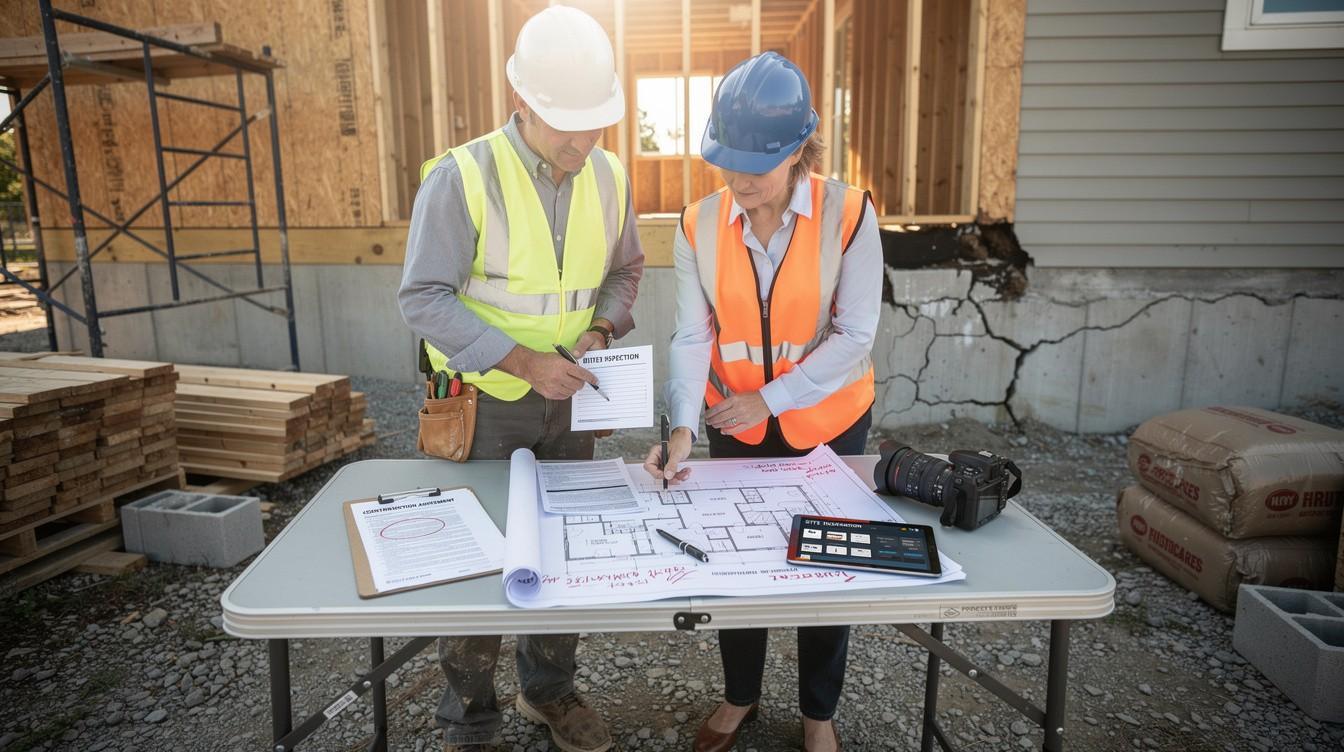
A construction claim arises when one party believes another has failed to meet contractual obligations or caused financial harm on a project. In Ventura County, claims fall into three broad categories that builders and owners encounter regularly. Defective workmanship and materials represent the most visible trigger. Foundation cracks appearing months after completion, roof leaks from improper flashing installation, or structural problems that violate building codes all qualify. California law gives homeowners a four-year statute of limitations from substantial completion to bring construction defect claims, which means problems surfacing even years later can still lead to liability.
The California Building Standards Code enforces Title 24 in Ventura County, and noncompliance triggers stop-work orders and fines ranging from $100 to $1,000 per violation, plus mandatory rework costs that compound quickly. Photographs, inspection reports, and expert assessments showing causation and responsibility form the foundation of any claim. Without solid documentation, proving liability becomes nearly impossible.
Delays and Cost Overruns
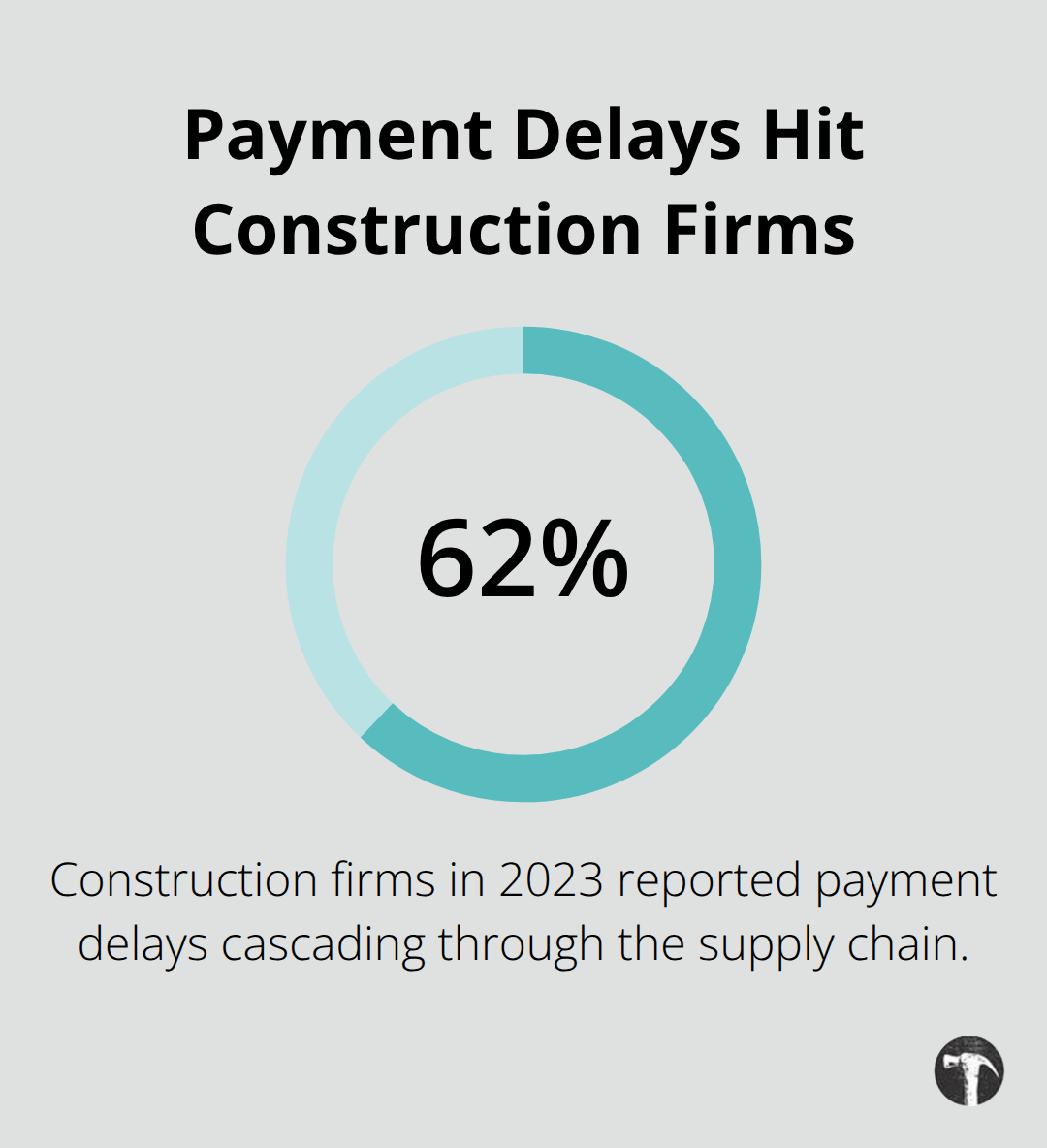
Delays and cost overruns create the second major claim category. According to the Associated General Contractors of America, 62% of construction firms in 2023 experienced payment delays that cascade down the supply chain, leaving subcontractors and material suppliers unpaid while cash flow deteriorates. A project that runs behind schedule or exceeds budget without clear contractual justification opens the door to claims from multiple parties.
Permit approvals in Ventura County typically take 30 to 90 days, and incomplete applications restart the timeline entirely. Projects requiring CEQA environmental review face an additional 60 to 180 days before construction can begin. These delays become legitimate claims when they result from one party’s negligence or breach rather than force majeure events.
Breach of Contract Terms
Breach of contract terms forms the third category and often stems from ambiguous language in the original agreement. Disputes frequently arise over scope definition, whether change orders received proper documentation and approval, and whether timeline references mean calendar days or business days. Spending $2,000 to $5,000 upfront to have an attorney review permit requirements and zoning restrictions before signing prevents far costlier disputes later (potentially saving $50,000 to $200,000 in litigation and remediation costs).
Construction contracts that lack clarity about scope, timelines, and change order procedures invite conflict. The more specific your contract language, the fewer disputes you face down the road. We at The Law Offices of Alan J. Carnegies, APC serve all of Los Angeles County, California and help builders and owners throughout the region identify claim exposure early and structure contracts to minimize ambiguity that fuels disputes. Understanding these three claim categories positions you to recognize problems before they escalate into costly litigation.
How to Resolve Construction Disputes in Ventura County
Payment delays hit harder than most builders and owners realize. When a general contractor holds funds, subcontractors and material suppliers down the chain face cash flow crises that can force them out of business. California law allows contractors to file a mechanic’s lien within 90 days after the last work, which means you need to act fast if payment stops. The lien creates leverage in negotiations because it clouds the property title and forces owners to resolve the dispute to sell or refinance.
Document Everything From Day One
Your records form your strongest negotiating tool. Document every payment with invoices, delivery receipts, and emails confirming work completion. If the property owner claims they never received an invoice or disputes the work scope, your documentation proves otherwise. Photographs, field notes, and change order approvals create an undeniable record that protects your position in any dispute. Without this paper trail, proving what you completed and what you’re owed becomes nearly impossible.
Start With a Written Demand
Start with a written demand letter that outlines the specific issue, the financial impact, and a response deadline. This creates a concrete paper trail that strengthens your position if negotiations stall and you move toward mediation or arbitration. The American Arbitration Association reports that negotiated construction disputes resolve in about 60 to 90 days, compared to 18 to 36 months for litigation. That speed matters when cash flow determines whether your business survives.
Mediation Offers a Practical Middle Ground
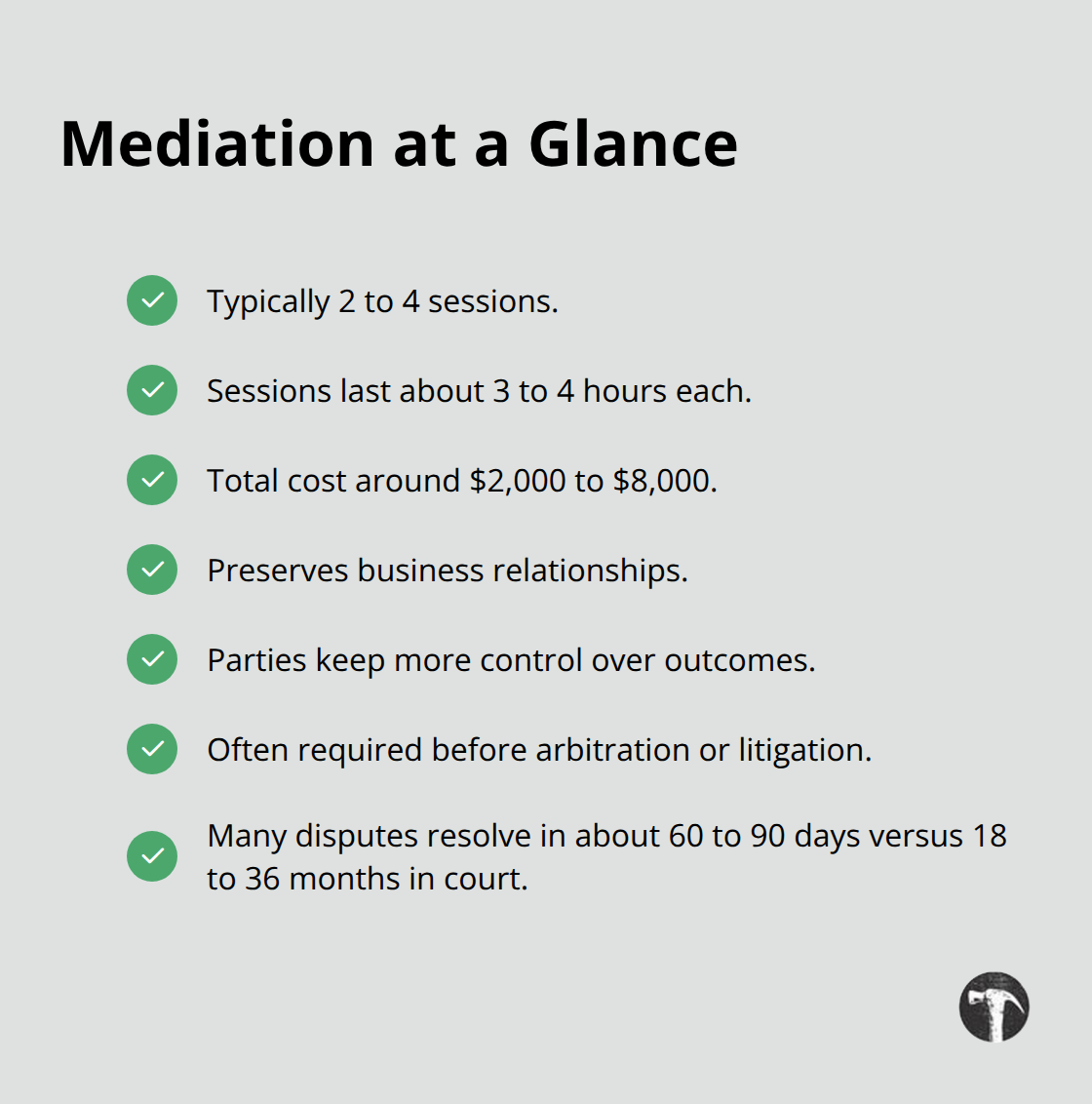
Mediation typically involves 2 to 4 sessions lasting 3 to 4 hours each, with total costs around $2,000 to $8,000-far cheaper than court battles. Mediation also preserves business relationships and gives both parties more control over outcomes than a judge or jury would provide. Many construction contracts require mediation as a first step before arbitration or litigation, so you may find yourself in mediation whether you choose it or not.
Construction Defects Require a Different Path
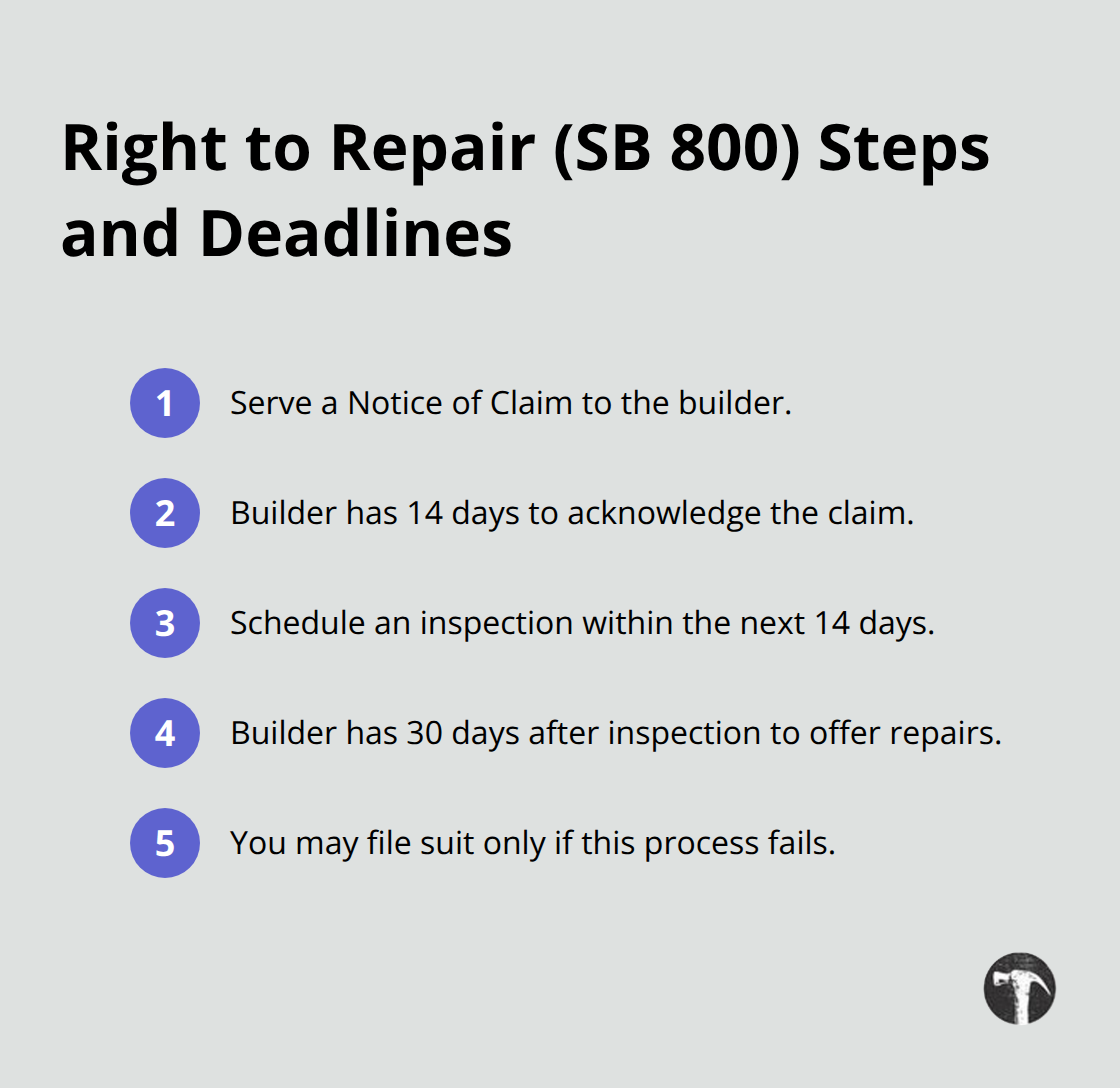
Construction defect claims involving structural damage, water intrusion, or code violations require different handling. California’s Right to Repair Act (SB 800) mandates a pre-litigation notice and repair opportunity before most residential construction defect lawsuits can proceed. You must notify the builder, allow them 14 days to acknowledge the claim, schedule an inspection within the next 14 days, and wait for a repair offer within 30 days after inspection. Only after this process fails can you pursue litigation.
Court proceedings for California construction disputes follow strict procedural rules and commonly run 18 to 36 months from filing to trial, with added discovery and expert witness costs multiplying the expense. A court judgment provides finality and enforceability through wage garnishment or asset liens to collect unpaid amounts.
When disputes escalate beyond negotiation and mediation, the path forward depends on your contract terms and the nature of the claim. Arbitration clauses in many construction contracts (particularly those using AIA or ConsensusDocs forms) require disputes to move to arbitration rather than court, which can reduce timelines and costs compared to full litigation. Understanding which dispute resolution method applies to your situation-and acting quickly within statutory deadlines-determines whether you recover your losses or watch them compound.
How to Protect Your Rights and Meet Legal Deadlines
Build a Strong Contract Foundation
Your construction contract forms the foundation of every legal protection you have. Vague language about scope, payment terms, or change order procedures invites disputes that cost far more to litigate than preventing them costs upfront. Invest $2,000 to $5,000 in contract review before signing, identifying ambiguities that could lead to $50,000 to $200,000 in later disputes. Standard contract forms like AIA and ConsensusDocs allocate risk clearly and include dispute resolution procedures that most courts will enforce, reducing the likelihood of costly surprises. Your contract should specify whether timelines run in calendar days or business days, define scope with measurable deliverables, require written change orders with cost impacts before work starts, and establish payment schedules tied to completion milestones. Many Ventura County projects use these forms precisely because they reduce litigation risk through structured language and built-in mediation or arbitration requirements.
Act Within Strict Statutory Deadlines
California law imposes strict notice and timing requirements that builders and owners routinely overlook, and missing these deadlines can eliminate your right to recover damages entirely. If you file a mechanic’s lien, you have exactly 90 days after the last work to file or lose the right forever. For construction defect claims under California’s Right to Repair Act, you must serve a Notice of Claim on the builder, wait 14 days for acknowledgment, allow 14 days for inspection scheduling, and give the builder 30 days after inspection to offer repairs before pursuing litigation. California law provides a four-year statute of limitations for construction defect claims measured from substantial completion, but this window closes whether you act or not.
Create a Paper Trail That Protects You
Document everything from day one with photographs, field notes, email records, payment receipts, and change order approvals because these records become your evidence if disputes escalate. This documentation proves what you completed, what you’re owed, and when work occurred-facts that the other party cannot dispute without contradicting their own records. Photographs of completed work, defects, or site conditions establish a visual record that photographs alone cannot refute. Field notes with dates and times create a contemporaneous account that courts view as more reliable than later recollections. Payment receipts and invoices show what the other party received and when they received it. Change order approvals with cost impacts demonstrate that both parties agreed to scope changes and their financial consequences.
Understand Your Available Remedies
Remedies available under California law include monetary damages for repair costs, relocation expenses, lost business income, and attorney and expert witness fees in some cases. A court judgment provides enforceability through wage garnishment and asset liens, giving you tools to collect unpaid amounts when negotiation fails. These enforcement mechanisms matter because a judgment means nothing if you cannot collect it. Wage garnishment allows you to intercept a portion of the debtor’s paycheck until the judgment is satisfied. Asset liens attach to real property or other valuable assets, preventing the debtor from selling or refinancing without paying you first. Understanding which remedies apply to your situation helps you evaluate whether pursuing a claim makes financial sense.
Consult an Attorney Before Deadlines Pass
The stakes are too high to treat these deadlines casually or assume the other party will remind you of your obligations. We at The Law Offices of Alan J. Carnegies, APC represent property owners, contractors, and other parties in construction disputes throughout all of Los Angeles County, California, including Ventura County. Contact us to learn how we can protect your interests and help you navigate the complex requirements that govern construction claims in California.
Final Thoughts
Construction disputes in Ventura County demand speed and precision because missing a 90-day mechanic’s lien deadline or failing to follow California’s Right to Repair Act procedures eliminates your right to recover damages, regardless of merit. Your contract language determines whether disputes stay manageable or spiral into costly litigation, and ambiguous scope definitions, unclear change order procedures, and vague payment terms create conflict that costs far more to resolve than preventing it upfront. Documentation from day one protects you when disputes arise, as photographs, field notes, invoices, and email records form an undeniable record that the other party cannot refute without contradicting their own evidence.
Acting within statutory deadlines separates builders and owners who recover their losses from those who watch them disappear into legal fees and unresolved claims. Ventura County construction claims follow strict procedural rules that California law imposes, and missing these timelines costs you everything regardless of how strong your underlying position may be. A solid contract foundation, contemporaneous documentation, and swift action within statutory windows form the three pillars that protect your interests when disputes arise.
We at The Law Offices of Alan J. Carnegies, APC represent property owners, contractors, and other parties in construction disputes throughout all of Los Angeles County, California, including Ventura County. Contact us today to discuss your situation and learn how we can protect your interests before deadlines pass or disputes escalate beyond recovery.