Property line disagreements can escalate quickly without proper handling. A fence built an inch too far, a survey from decades ago, or conflicting documents can turn neighbors into adversaries.
We at The Law Offices of Alan J. Carnegies, APC in Calabasas, California help property owners resolve boundary line disputes before they reach the courtroom. This guide walks you through the most common causes and the practical steps to protect your land rights.
Why Property Lines Become Disputed
Outdated Surveys Create Measurement Uncertainty
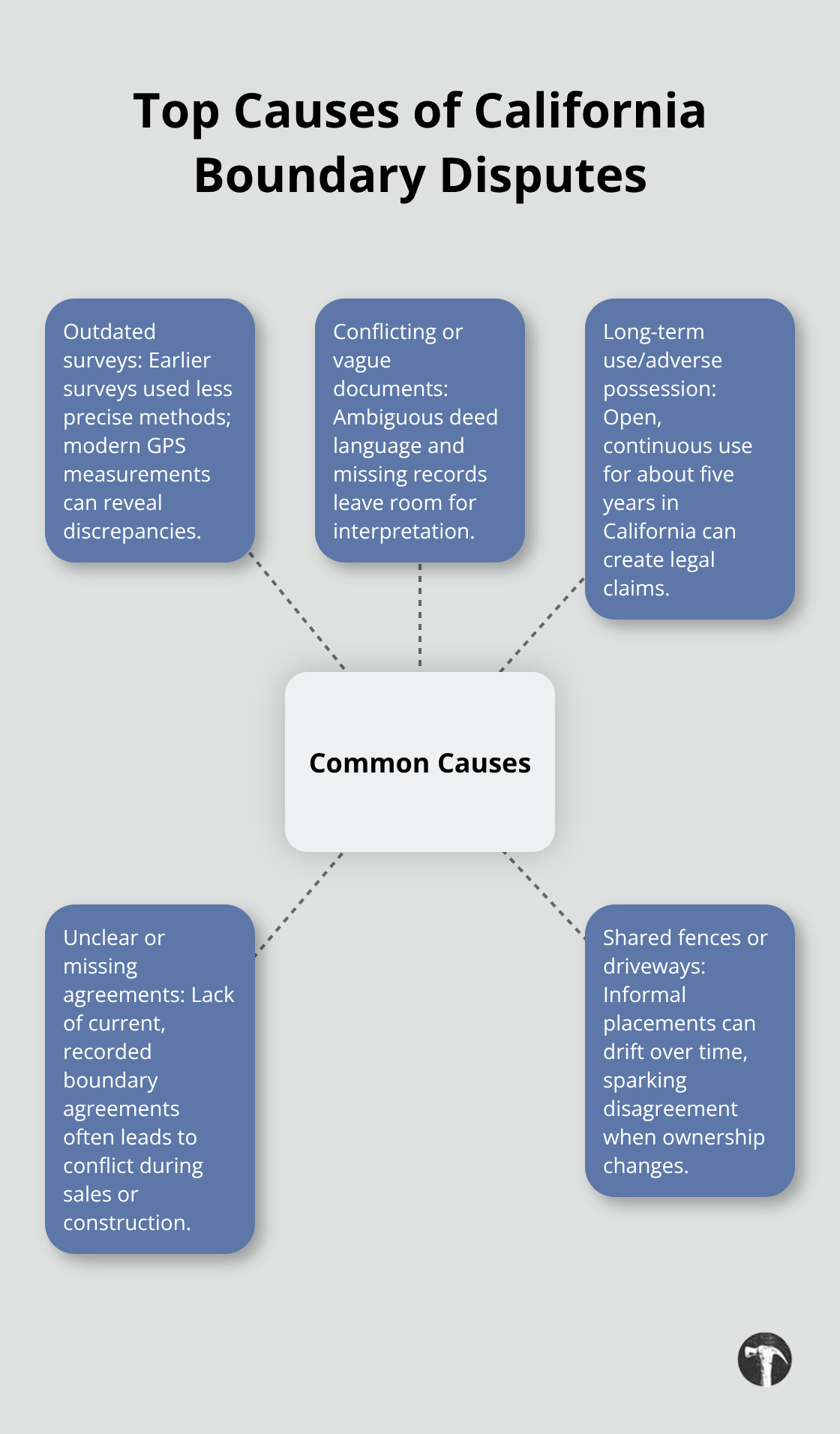
Outdated surveys rank among the most common culprits behind boundary disputes in Los Angeles County. Many properties were surveyed decades ago using technology far less precise than today’s GPS-enabled methods. When a 1970s survey differs from current measurements, property owners face real uncertainty about where their land actually ends. A survey older than 30 years should be treated with skepticism, especially if you plan construction or face a neighbor dispute. The cost of an updated professional survey typically ranges from $500 to $2,500 depending on property size and complexity, but this investment prevents far costlier litigation down the road.
Conflicting Documents and Vague Descriptions
Conflicting property documents create another significant source of confusion. Deeds sometimes contain vague descriptions like “the property extending to the large oak tree” or reference landmarks that no longer exist. Title records may show historical boundary adjustments that aren’t clearly documented in current paperwork, leaving owners unaware that previous owners agreed to different lines. These gaps in documentation leave room for interpretation and disagreement when disputes arise.
Adverse Possession and Long-Term Use
Adverse possession claims add another layer of complexity. When a neighbor openly uses, maintains, or occupies part of your land for a continuous period (typically five years in California), they may gain legal rights to that land through long-term use. This happens more often than property owners realize, particularly with shared fence lines or driveways where boundaries weren’t formally established. California Civil Code Section 841 addresses boundary fence situations specifically, establishing that neighbors typically share costs for boundary fences equally unless one property receives no benefit from the fence.
The Foundation of Most Disputes
The root cause of most disputes traces back to one fundamental problem: boundaries were never clearly established in writing with precise measurements and documented agreement. Without a current survey, clear deed language, and recorded boundary agreements, disputes become inevitable when property changes hands or development plans emerge. Understanding these causes positions you to take action before a neighbor conflict spirals into costly litigation. The next section outlines the practical steps you can take to resolve boundary disputes without stepping into a courtroom.
Settling Boundary Disputes Before Court Becomes Necessary
Start with a Professional Survey
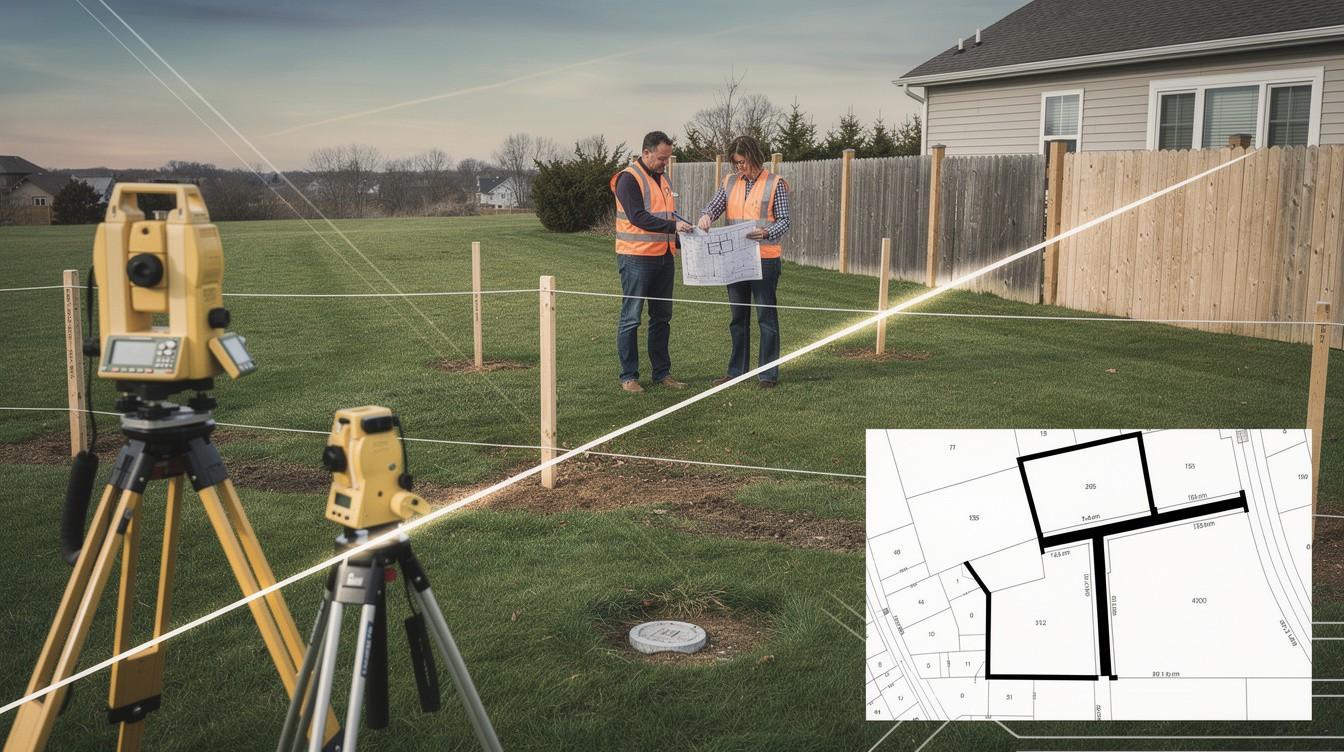
A licensed land surveyor must establish exact property lines using GPS technology and precision instruments. The surveyor produces a detailed map that serves as objective evidence for any negotiation or legal proceeding. Surveys cost between $500 and $2,500 depending on property size and terrain, but this investment eliminates guesswork and gives both you and your neighbor an undisputed baseline for discussion. Once the surveyor places physical markers at the true boundary, you have documentation that courts rely on when disputes escalate. Without this foundation, any negotiation rests on competing interpretations of old deeds and unclear descriptions. Request a survey that includes a title search as well-this reveals easements, liens, and historical boundary changes that might explain why your neighbor believes the line sits where it does. Most property owners who skip this step later regret the decision when they lack the evidence needed to support their position.
Trace Your Property’s History
You should gather your property documents and trace their history carefully. Review your deed, title insurance policy, and any boundary agreements your predecessors may have recorded with the county. Check the county assessor’s office for plat maps and historical records showing how the boundary was treated in previous transactions. This research often uncovers recorded boundary agreements or informal arrangements that previous owners made-information that shapes your negotiating strategy. Armed with the survey and historical documentation, you hold the facts needed to move forward productively.
Propose Solutions in Writing
Approach your neighbor with a clear, written proposal. California Civil Code Section 841 requires a 30-day written notice before building or modifying a boundary fence, and this same principle applies to boundary discussions: put everything in writing. Schedule a calm conversation, present the survey results, and propose solutions like a shared-use arrangement, a formal boundary agreement, or cost-sharing if the dispute involves a fence. Written communication creates a record and signals that you take the matter seriously.
Consider Mediation if Negotiation Stalls
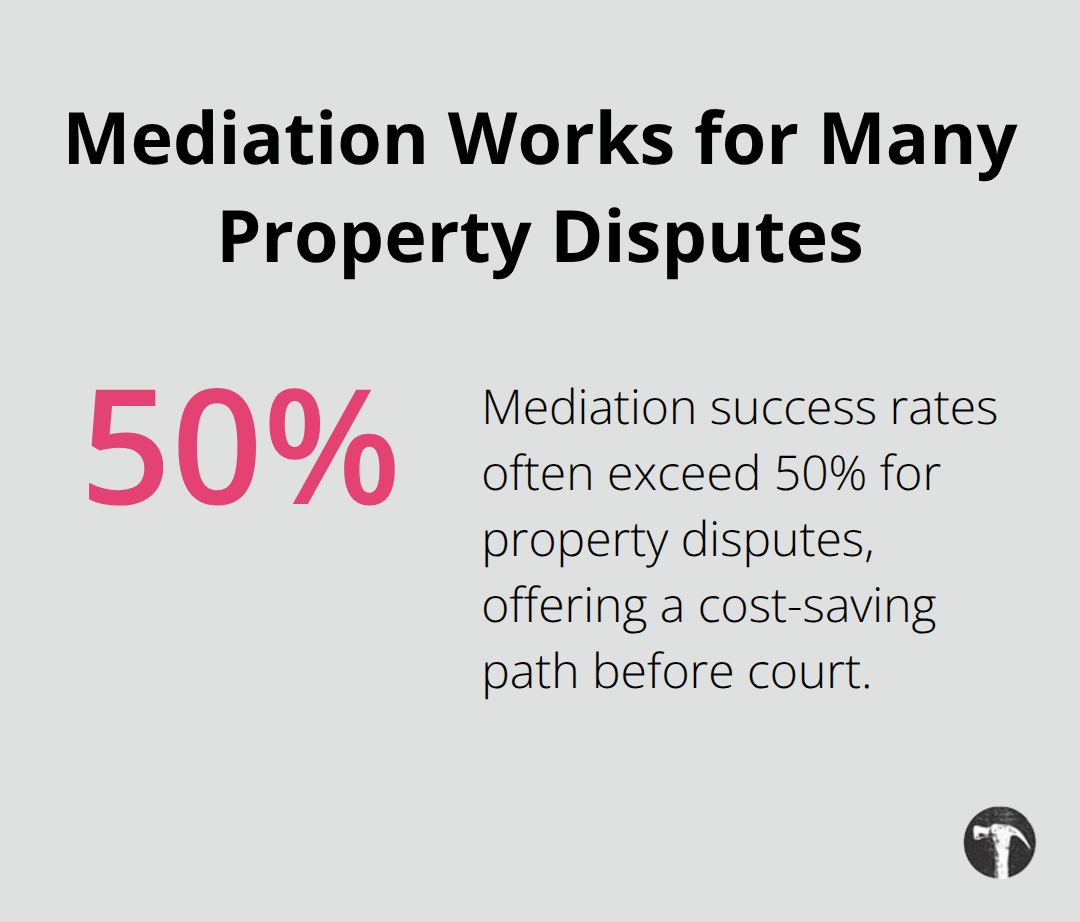
If direct negotiation stalls, mediation offers a middle path that avoids court costs. A neutral mediator helps both parties communicate their concerns and explore compromises, with success rates often exceeding 50 percent for property disputes. Many Los Angeles County residents find that a mediator’s involvement shifts the dynamic from confrontation to problem-solving.
A written settlement agreement from mediation can be filed with the county recorder to prevent future disputes. When amicable resolution proves difficult despite your efforts, the question shifts from how to settle with your neighbor to how to protect your rights through legal action.
When Legal Action Becomes Necessary
Building Your Case with Evidence
Litigation should be your last resort, but when negotiation and mediation fail, filing a boundary line dispute lawsuit protects your property rights and stops encroachment. California courts rely on objective evidence to resolve these disputes-primarily land surveys, legal property descriptions, and recorded documents. The filing process starts with gathering all supporting materials: your updated survey, title search results, deed copies, photographs of any encroachment, and records of your attempts to resolve the matter amicably. Courts in Los Angeles County handle boundary disputes as part of real estate litigation, and the process typically takes 12 to 24 months from filing to resolution.
The Litigation Process in California Courts
Your attorney files a complaint in civil court that outlines your property’s legal description, the disputed boundary, and the relief you seek. The defendant (your neighbor) then has 30 days to respond. Discovery follows, where both sides exchange documents and may conduct depositions. Many cases settle during this phase once the opposing party sees the strength of your evidence. If settlement discussions fail, the case proceeds to trial where a judge or jury determines the true boundary based on the evidence presented.
Working with a Trial Attorney
An experienced trial attorney who understands boundary disputes in Los Angeles County significantly improves your position. Such an attorney can assess whether your case is strong enough to pursue and advise on realistic outcomes before you commit substantial resources. The attorney presents the survey evidence, historical documents, and any testimony about long-term use or adverse possession claims.
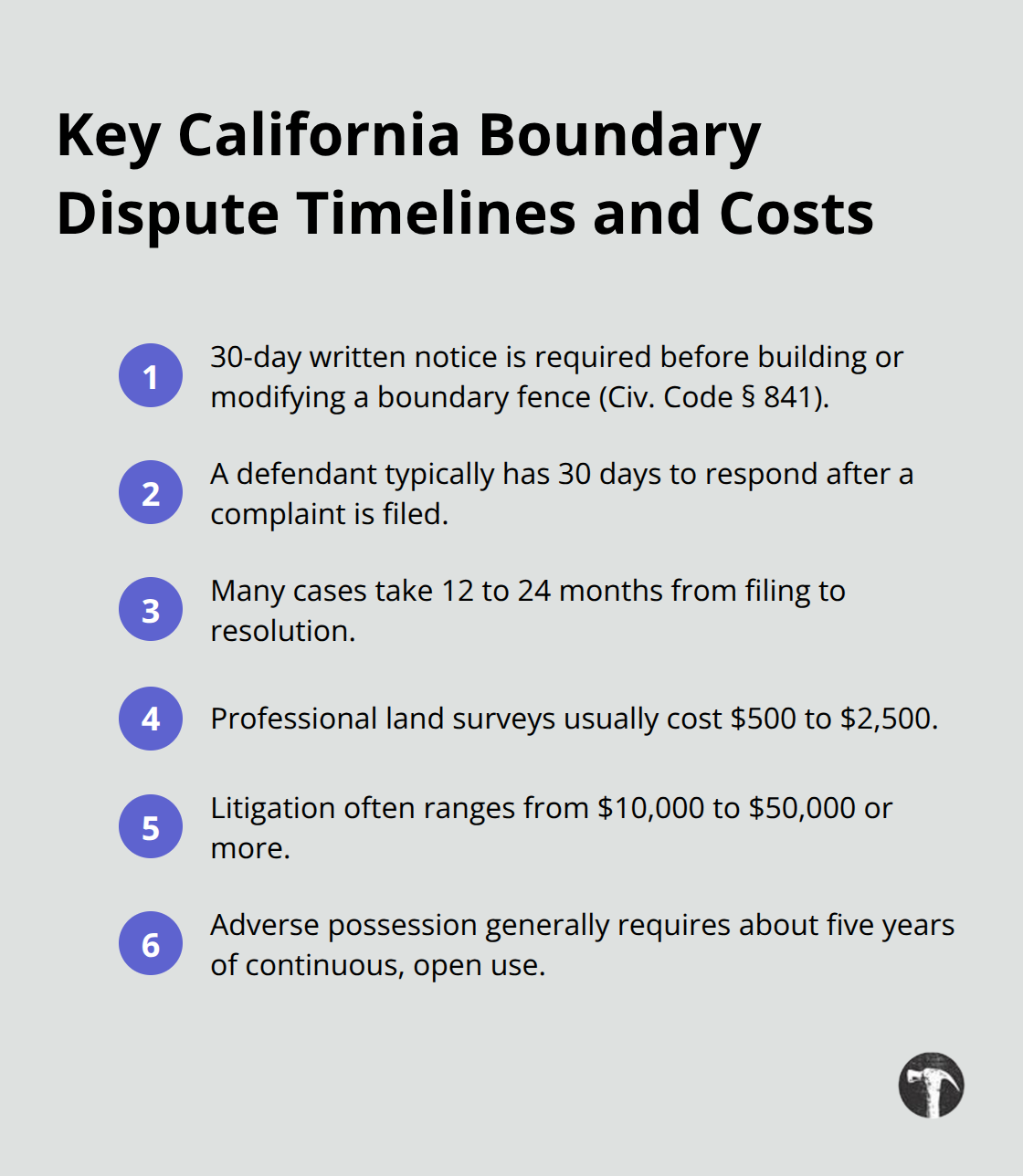
Litigation costs vary widely but typically range from $10,000 to $50,000 or more depending on complexity, discovery scope, and trial length.
Court Remedies and Outcomes
Courts may order the encroaching structure removed, award monetary damages for lost property value or use, or establish a formal boundary agreement to prevent future disputes. Some judges make exceptions to strict boundary lines if evidence shows the encroachment was undisputed and accepted for many years-a principle known as acquiescence. Before proceeding, understand that court remedies focus on establishing the legal boundary and addressing the encroachment itself, not on punishing your neighbor.
The Power of a Cease-and-Desist Letter
A cease-and-desist letter from your attorney often motivates settlement negotiations by signaling your willingness to litigate if necessary. This approach sometimes avoids court entirely while still protecting your rights and demonstrating that you take the dispute seriously.
Final Thoughts
Boundary line disputes drain time, money, and goodwill between neighbors, but most disputes resolve without court when both parties act in good faith. A professional survey, honest conversation, and written documentation solve the vast majority of cases before litigation becomes necessary. When neighbors understand the facts and see objective evidence, they recognize that settlement makes far more sense than years of costly legal battles.
If your neighbor refuses to negotiate, ignores your written proposals, or continues encroachment despite your efforts, professional legal guidance becomes necessary to protect your interests. An attorney who understands boundary line disputes in Los Angeles County can assess the strength of your case, advise on realistic outcomes, and determine whether litigation serves your property rights. A cease-and-desist letter or formal demand often motivates movement toward resolution when informal approaches have failed.
We at The Law Offices of Alan J. Carnegies, APC in Calabasas, California represent property owners facing boundary disputes throughout Los Angeles County. Our approach combines practical negotiation strategies with litigation readiness, ensuring you’re prepared for whatever path your dispute takes. Contact us today to discuss your boundary dispute and learn how we can protect your property rights.